Turning Practical Experience into Long-Term Vision
Sustainable innovation is rarely born in a laboratory alone. More often, it emerges through practical experience, continuous observation and a deep understanding of real operational needs.
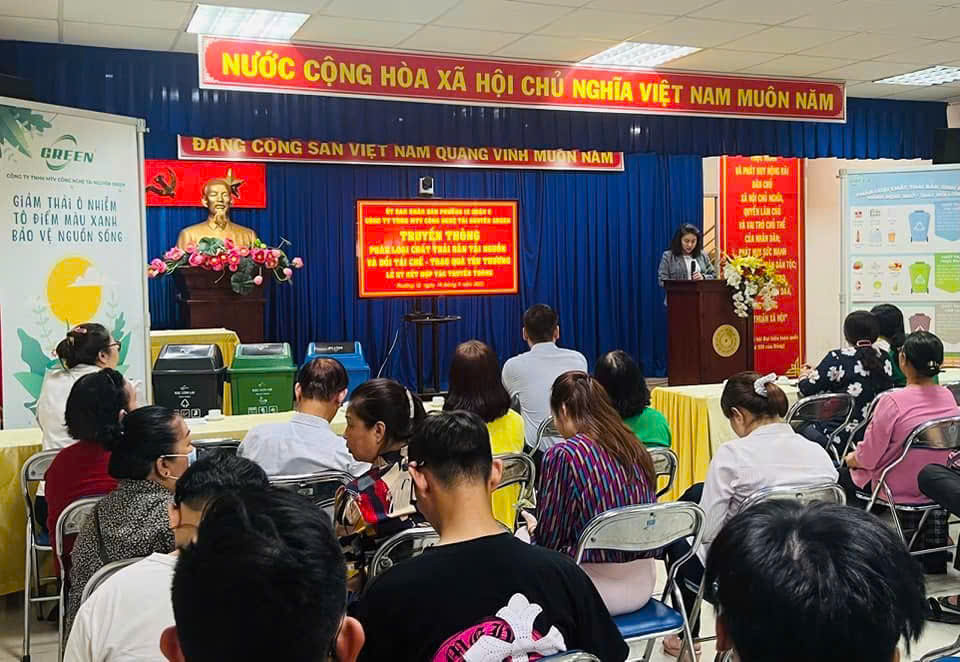
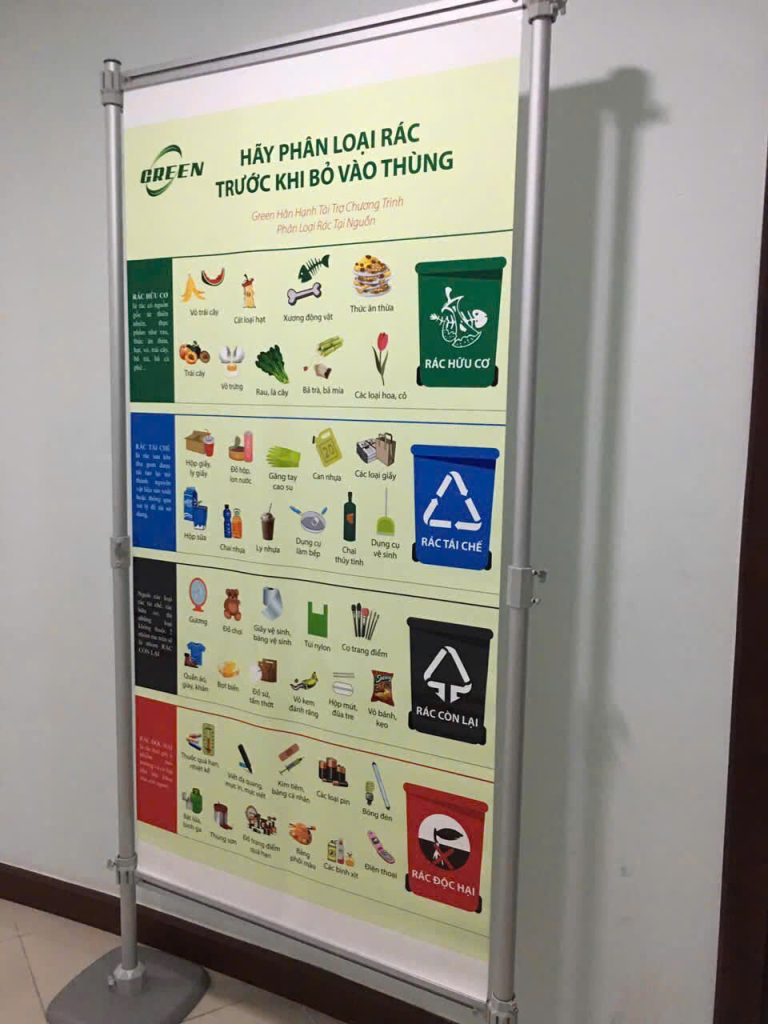
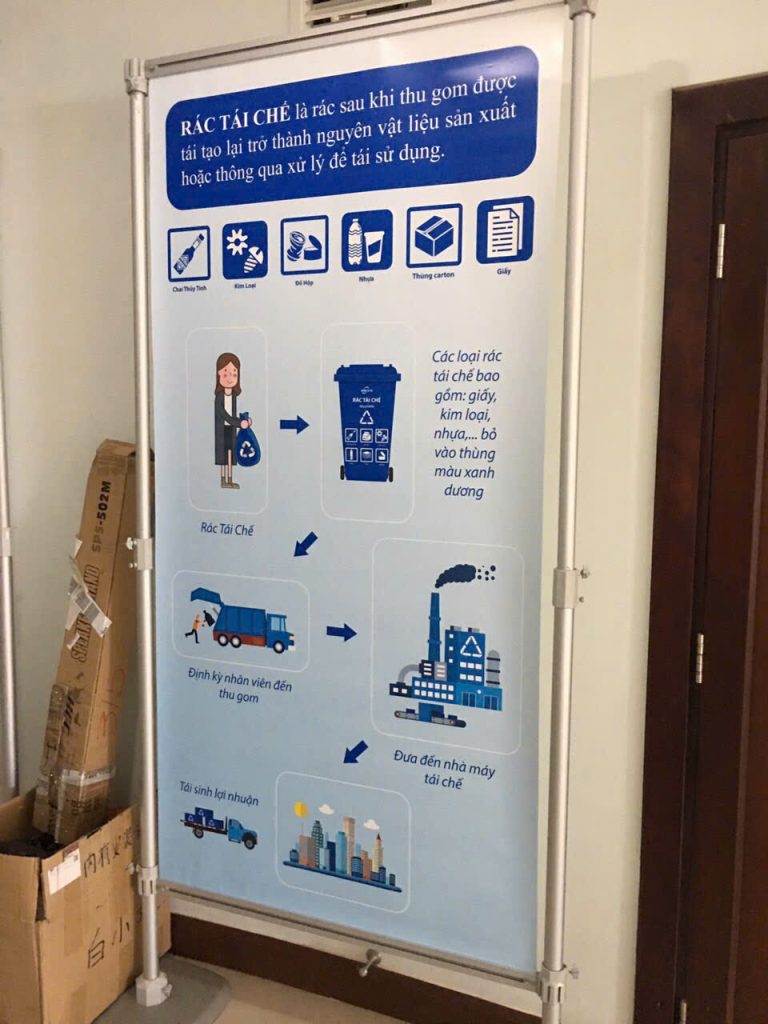
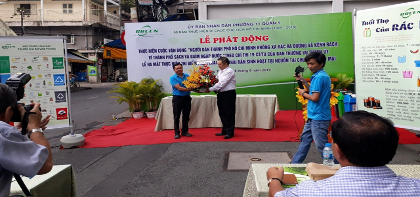
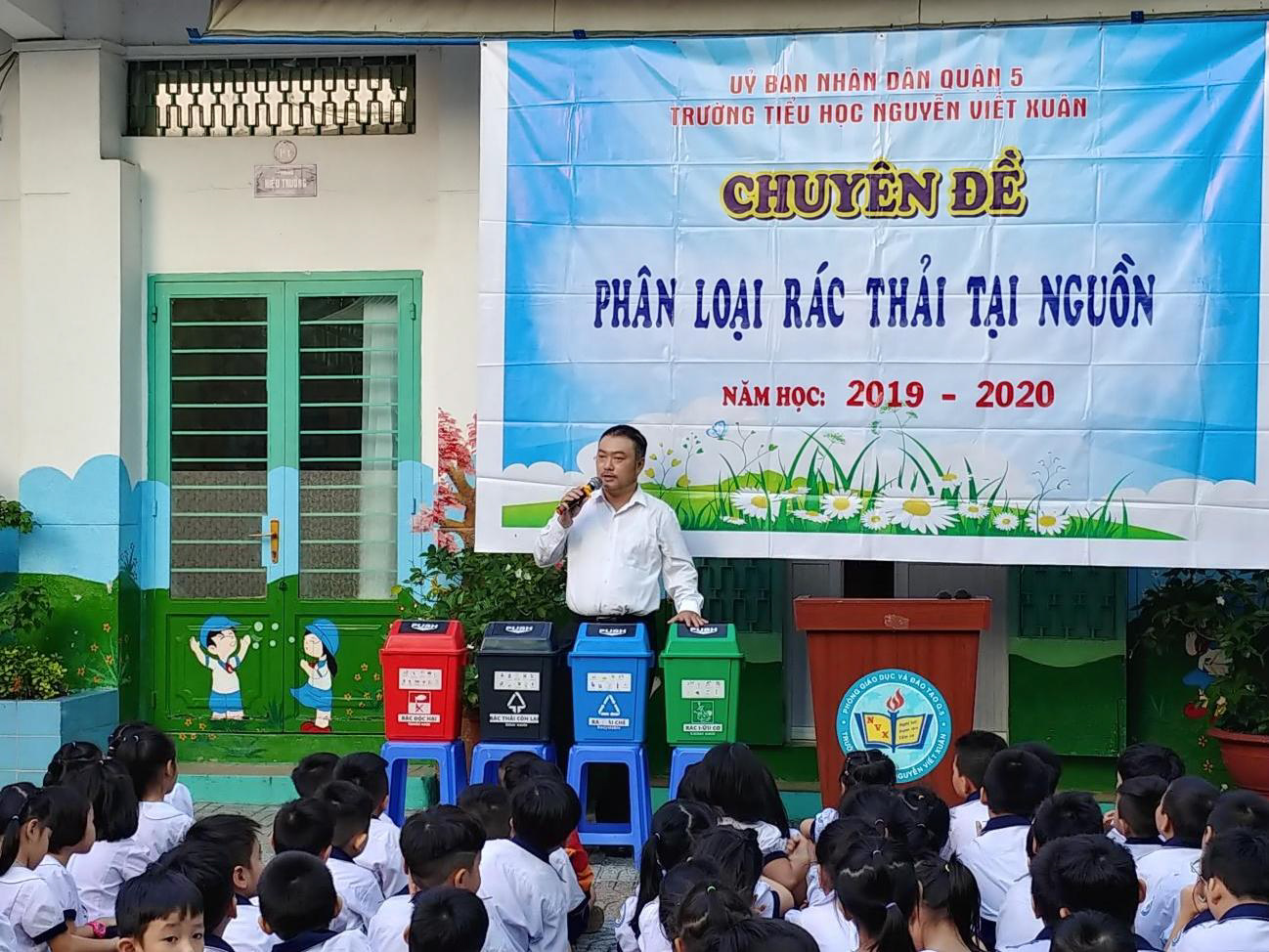
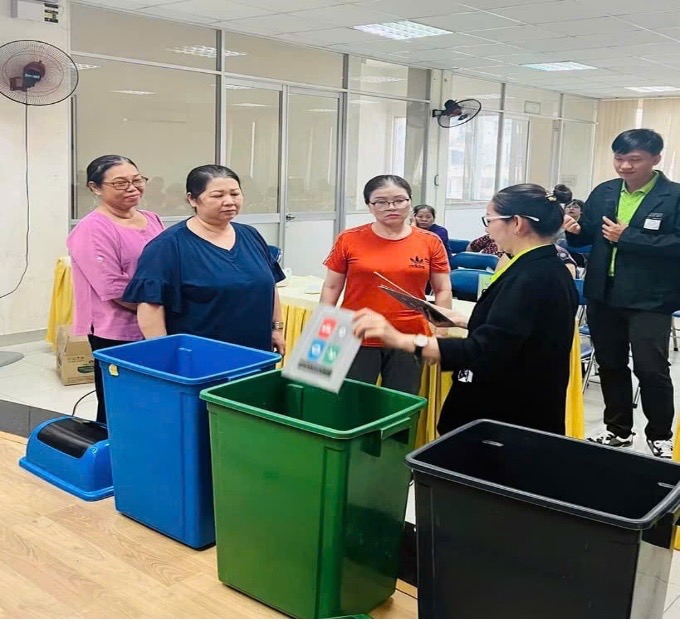
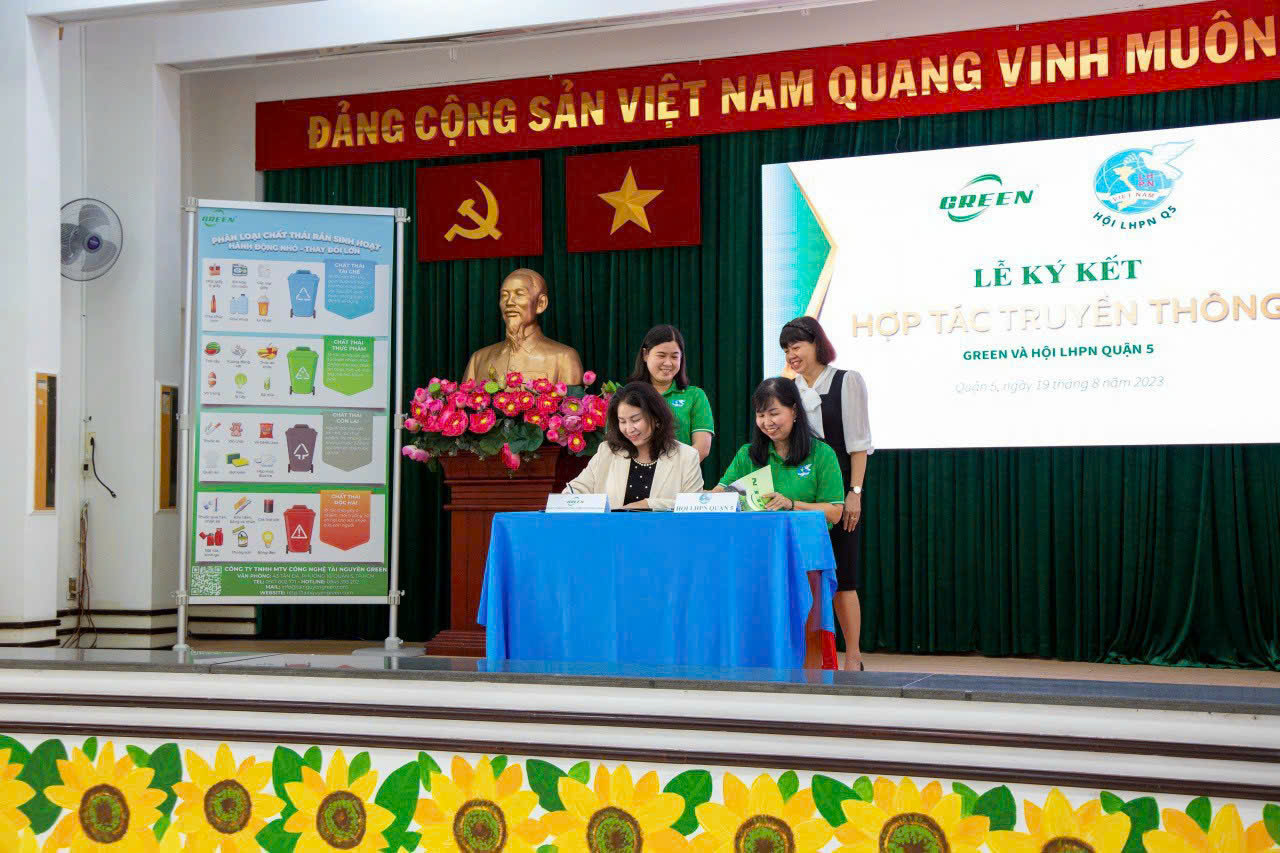
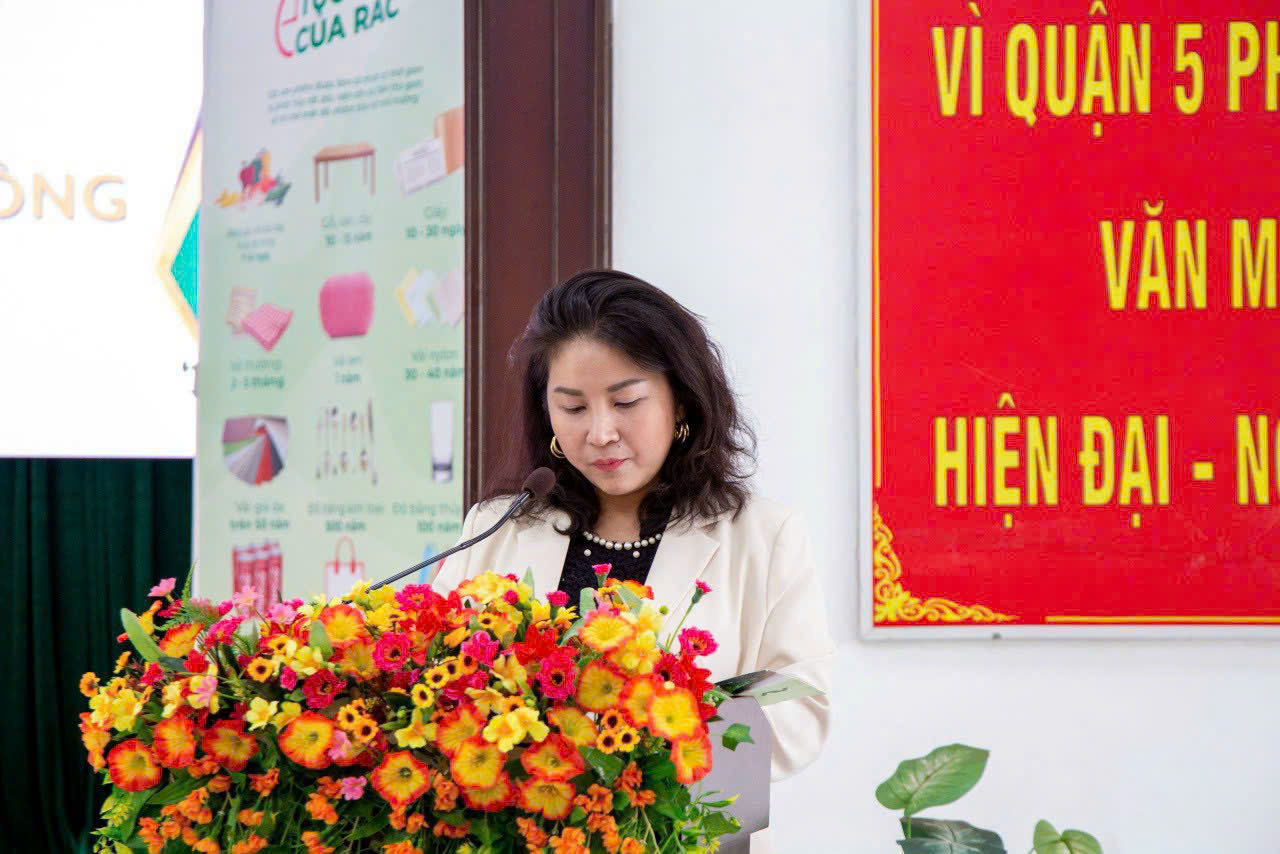
Over the years, GREEN Resources Technology has actively participated in environmental communication programs, community engagement initiatives and source waste separation activities in collaboration with local authorities, educational institutions and businesses across Vietnam.
These experiences have provided far more than operational knowledge. They have offered valuable insight into how environmental programs are implemented in practice, where challenges arise and what conditions are necessary for long-term success.
As these experiences accumulated, GREEN came to an important realization: achieving sustainable environmental management requires more than public awareness campaigns or individual projects. It requires an integrated governance approach supported by reliable information, coordinated operations and evidence-based decision-making.
This understanding became one of the key foundations shaping GREEN’s long-term research direction.
When Practice Reveals New Opportunities
Every environmental initiative generates valuable experience.
Throughout various community programs, GREEN observed that although many organizations shared the same environmental objectives, implementation methods often differed considerably. Operational information remained fragmented, reporting processes were largely manual and evaluating long-term outcomes was frequently challenging.
These observations did not simply highlight operational difficulties. They revealed an opportunity to rethink how environmental activities could be connected through a more integrated management approach.
Rather than viewing communication, waste separation, collection and performance evaluation as independent activities, GREEN began exploring how these processes could function as interconnected components within a unified environmental governance framework.
This perspective gradually influenced the company’s broader research direction and strengthened its commitment to developing practical solutions that respond to real operational needs.
The Growing Importance of Environmental Data
As digital transformation continues to reshape public administration and business operations worldwide, data has become one of the most valuable strategic resources.
Within environmental management, data extends far beyond statistical reporting.
When properly organized, environmental data provides meaningful insights into operational performance, community participation, resource allocation and policy effectiveness.
Information related to waste separation, collection frequency, infrastructure performance, communication activities and public participation can collectively support more informed planning and continuous improvement.
For GREEN, environmental data is not merely a technical asset. It represents an essential foundation for building more transparent, coordinated and sustainable management systems capable of adapting to future environmental challenges.
Shaping the Vision of GEOS
Building upon years of practical experience, GREEN gradually established the research direction for GEOS (GREEN Environmental Operating System).
GEOS is being developed as an environmental operating framework that supports data governance by connecting information generated throughout the environmental management process—from source waste separation and public communication to collection operations and performance monitoring.
Rather than replacing existing management models, GEOS is intended to strengthen them by providing a structured approach to organizing, integrating and utilizing environmental information. The objective is to support more informed decision-making, improve operational coordination and enhance transparency where appropriate.
Its development reflects GREEN’s long-term commitment to combining practical experience with digital innovation in ways that remain responsive to real-world environmental needs.
Supporting Sustainable Development Through Better Governance
The future of environmental management depends not only on technological advancement but also on the ability to coordinate people, information and operational processes.
GREEN believes that sustainable environmental governance is built upon four interconnected elements:
- Community participation;
- Reliable environmental data;
- Appropriate technological solutions;
- Effective operational coordination.
When these elements work together, environmental initiatives become more measurable, adaptable and capable of delivering lasting value.
This integrated perspective continues to guide GREEN’s research while supporting Vietnam’s broader transition toward digital transformation, circular economy development and sustainable urban management.
A Research Journey Guided by Practical Needs
GREEN views innovation as a continuous process of learning, evaluation and improvement.
Each communication campaign, pilot initiative and community engagement activity contributes practical knowledge that helps refine future research directions.
The gradual development of GEOS reflects this philosophy.
Rather than pursuing technology for its own sake, GREEN focuses on understanding operational realities first, allowing research priorities to emerge naturally from practical experience.
This approach ensures that future solutions remain relevant, scalable and aligned with the evolving needs of environmental governance.
Looking Forward
As environmental management becomes increasingly data-driven, the ability to integrate information across multiple activities will become an essential component of effective governance.
GREEN will continue strengthening its research in environmental data management, digital environmental infrastructure and integrated governance models while exploring opportunities for collaboration with government agencies, academic institutions, businesses and development partners.
Through continuous research, responsible innovation and practical implementation, GREEN seeks to contribute to environmental solutions that are transparent, adaptable and sustainable over the long term.
Conclusion
Every meaningful transformation begins with practical experience.
For GREEN, years of community engagement, environmental communication and source waste separation initiatives have provided valuable insights that continue to shape its research and development journey.
From these experiences, the concept of GEOS gradually emerged—not simply as a technology initiative, but as a long-term vision for strengthening environmental governance through better data, stronger coordination and continuous innovation.
As this journey continues, GREEN remains committed to developing practical environmental solutions that support Vietnam’s digital transformation, sustainable development and the responsible management of environmental resources.