Infrastructure That Supports Sustainable Progress
Effective environmental management is built upon more than sound policies and public participation.
Behind every successful environmental program lies a well-designed infrastructure that enables communities, service providers and public authorities to work together efficiently.
As environmental systems become increasingly connected through digital transformation, infrastructure is evolving beyond its traditional role. It is no longer limited to physical facilities or equipment; it is becoming an integral part of a broader environmental management ecosystem.
Drawing upon years of practical implementation, GREEN Resources Technology has continued to study how environmental infrastructure can better support communication, operational efficiency and future data integration.
This ongoing research has become an important component of the company’s long-term vision for modern environmental governance.
Seeing Equipment as Part of a Larger System
Environmental equipment is often viewed as an independent solution.
In practice, however, its effectiveness depends largely on how well it is integrated into the overall management system.
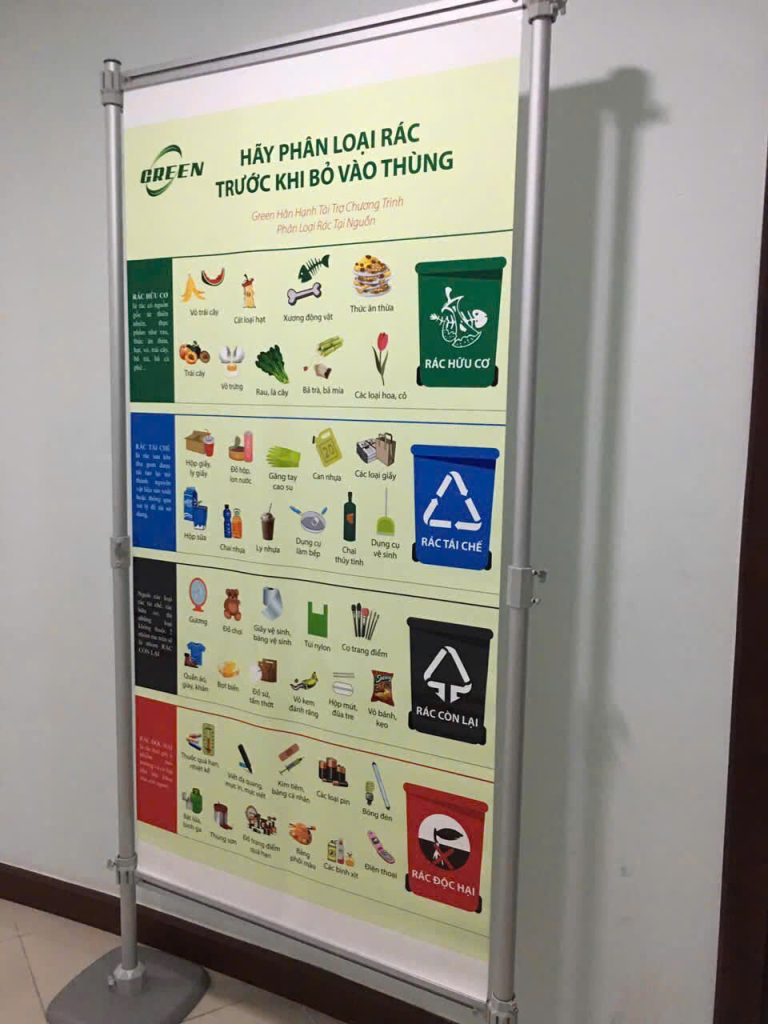
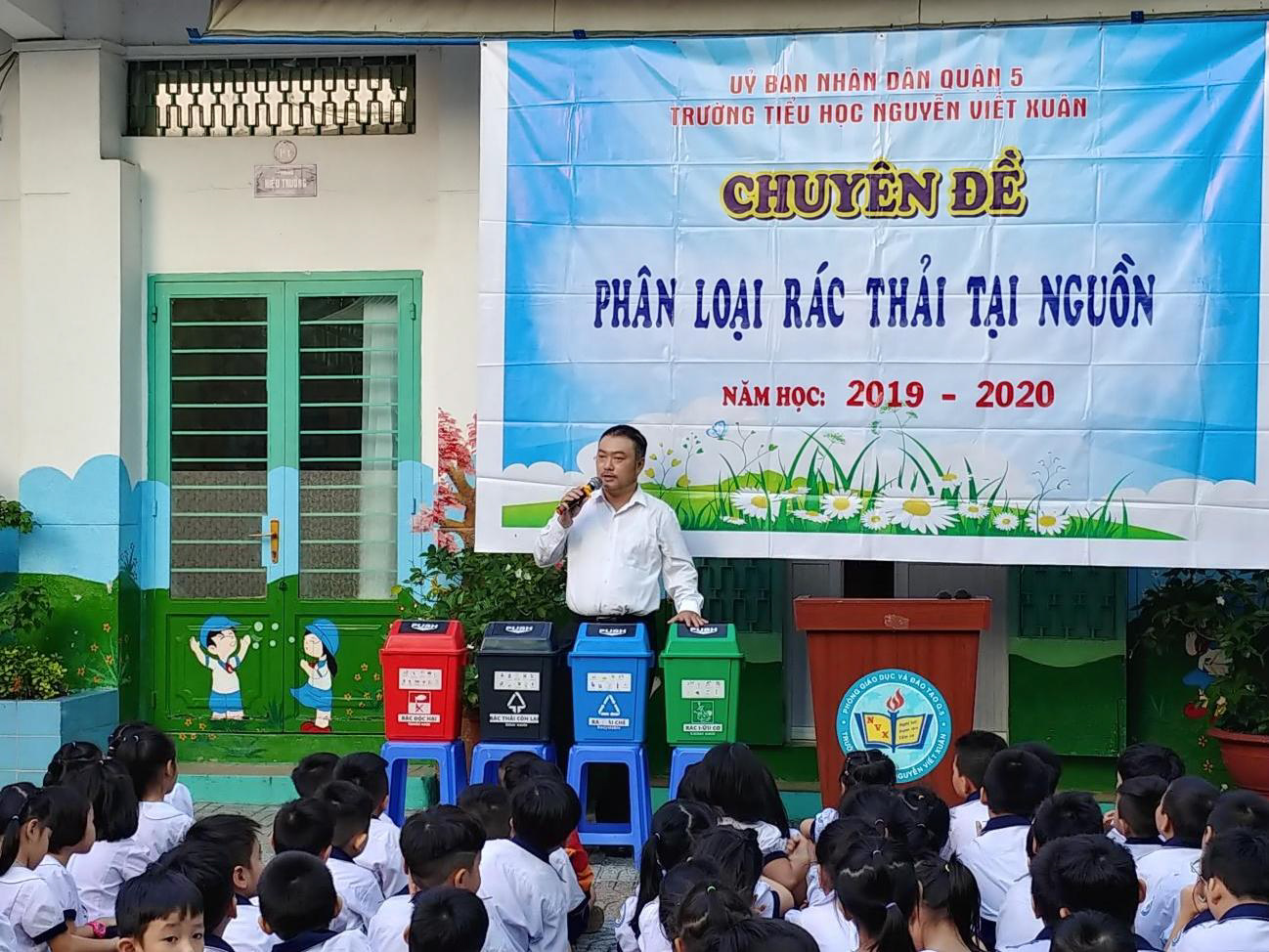
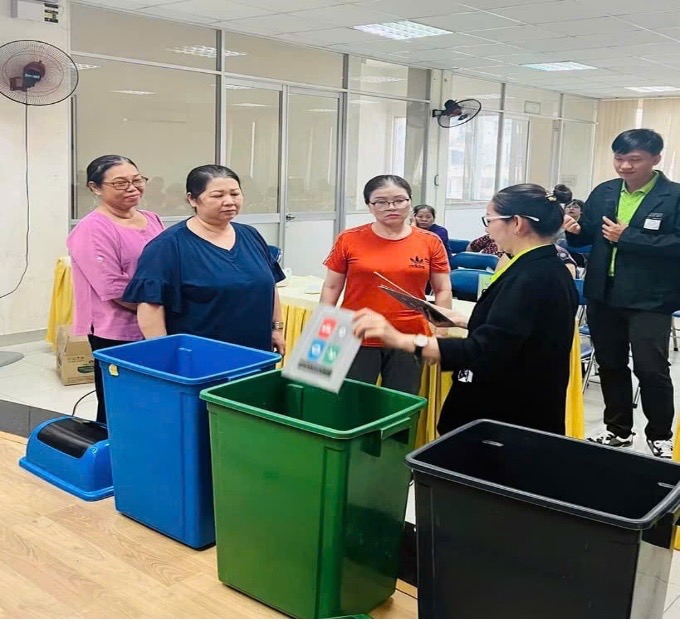
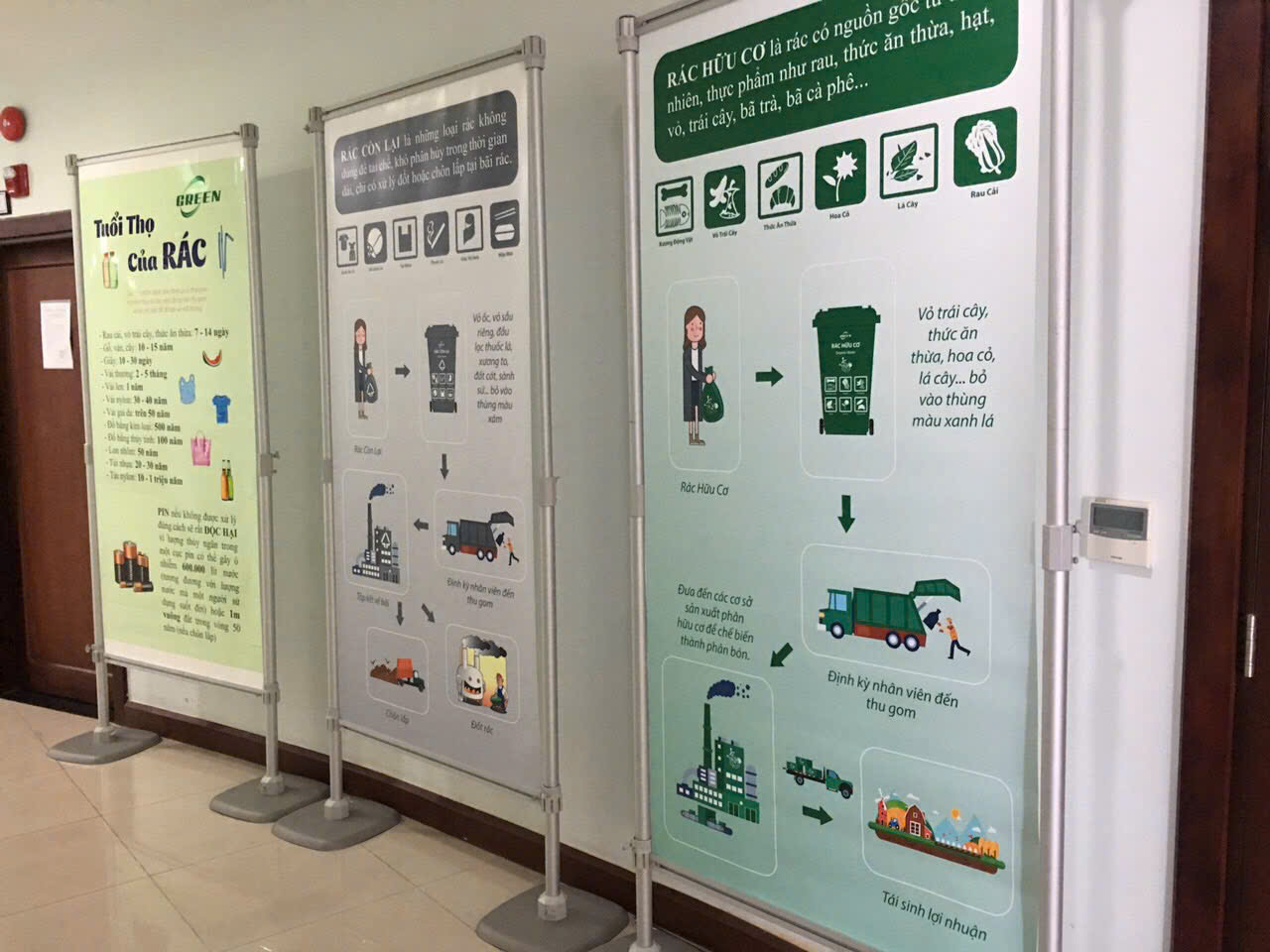
Waste separation bins, public information displays and supporting environmental facilities achieve their greatest value when combined with clear operational procedures, coordinated implementation and active community participation.
For GREEN, environmental equipment should not be considered as isolated products.
Instead, each component represents one element within a connected environmental infrastructure designed to support both operational performance and public engagement.
This systems-oriented perspective continues to shape GREEN’s approach to environmental innovation.
From Practical Solutions to Integrated Thinking
Among the practical initiatives developed by GREEN is the Light Box Trash Can, a technology-enabled waste bin that combines environmental communication with everyday public use.
Field implementation demonstrated that its value extends beyond its physical function.
The system contributes to:
- Increasing public visibility of environmental messages;
- Supporting community awareness and participation;
- Enhancing the usability of waste separation facilities;
- Creating opportunities for future environmental data integration.
These practical experiences reinforced an important lesson: environmental infrastructure delivers greater value when it supports communication, operations and information management simultaneously rather than functioning as isolated equipment.

Infrastructure for the Next Stage of Environmental Governance
As environmental management continues to evolve, infrastructure must also adapt.
Future environmental systems will increasingly require facilities capable of supporting not only operational activities but also information exchange, performance monitoring and coordinated management.
GREEN therefore continues to explore environmental infrastructure solutions that can facilitate the collection, organization and responsible use of environmental information while remaining practical for real-world implementation.
This research direction is closely connected with the long-term development of GEOS, where infrastructure, operational processes and environmental data are intended to function as complementary components within an integrated governance framework.

Innovation Through Integration
GREEN believes that the future of environmental infrastructure lies not in individual technologies, but in the ability to integrate multiple functions into a unified operating environment.
As environmental management becomes increasingly data-oriented, infrastructure should be capable of supporting communication, operational activities and information management simultaneously.
This integrated approach creates opportunities to improve service efficiency, strengthen public participation and provide decision-makers with more meaningful environmental insights.
Rather than viewing infrastructure as a collection of independent facilities, GREEN approaches it as an interconnected system where physical assets, operational processes and environmental information complement one another.
This philosophy continues to guide the company’s research into practical environmental solutions that can evolve alongside future technological developments.
Looking Toward Smarter Environmental Infrastructure
The next generation of environmental infrastructure will be expected to perform more than traditional operational functions.
Future systems are likely to support:
- More efficient environmental operations;
- Better coordination between stakeholders;
- Improved access to environmental information;
- Stronger integration with digital technologies;
- Greater adaptability to changing community needs.
GREEN continues to study how practical infrastructure solutions can contribute to these objectives while remaining appropriate for different implementation environments.
This long-term perspective reflects the company’s commitment to responsible innovation rather than technology for its own sake.
Supporting the Development of GEOS
The experience gained from implementing environmental equipment has also contributed to the ongoing development of GEOS (GREEN Environmental Operating System).
As research progresses, GREEN continues to explore how environmental infrastructure can interact more effectively with operational management and environmental data.
Within this vision, infrastructure is no longer regarded solely as a physical asset.
Instead, it becomes part of an integrated environmental governance framework that supports communication, operational coordination and continuous improvement.
This systems-based perspective remains central to GREEN’s long-term research into smarter environmental management.
Conclusion
Environmental infrastructure provides the physical foundation upon which effective environmental management is built.
When thoughtfully integrated with operational processes, community participation and environmental data, infrastructure becomes far more than a collection of facilities—it becomes an enabler of sustainable environmental governance.
Drawing upon practical implementation and continuous research, GREEN remains committed to developing infrastructure solutions that strengthen environmental management, encourage innovation and contribute to Vietnam’s ongoing digital transformation and sustainable development.