A Small Action with Long-Term Impact
The transition toward a more sustainable future often begins with simple actions carried out consistently by individuals and communities.
Among these, source waste separation has become one of the most important foundations for advancing circular economy practices and improving environmental governance.
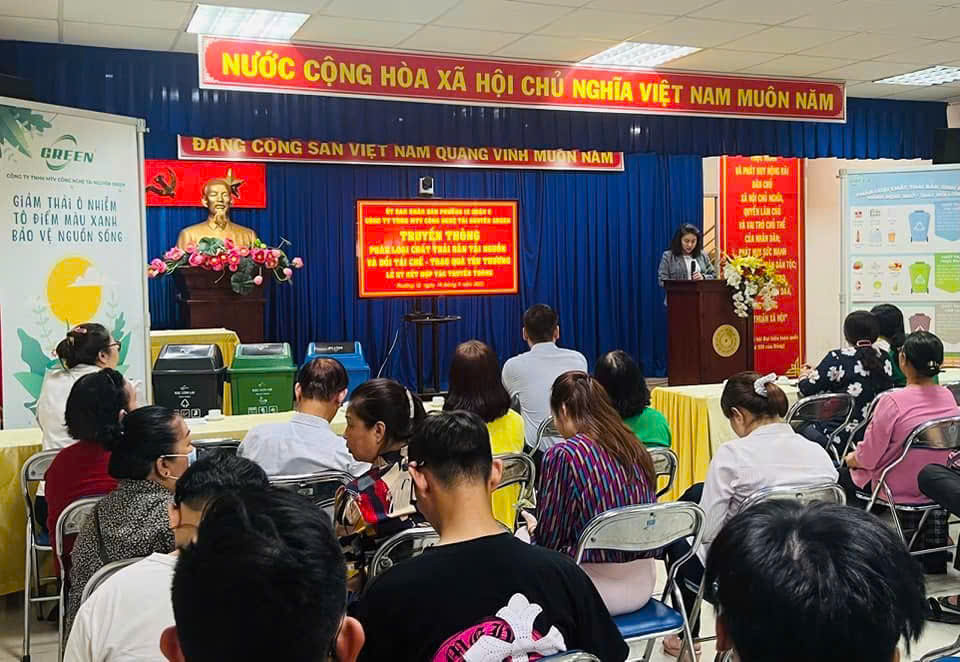
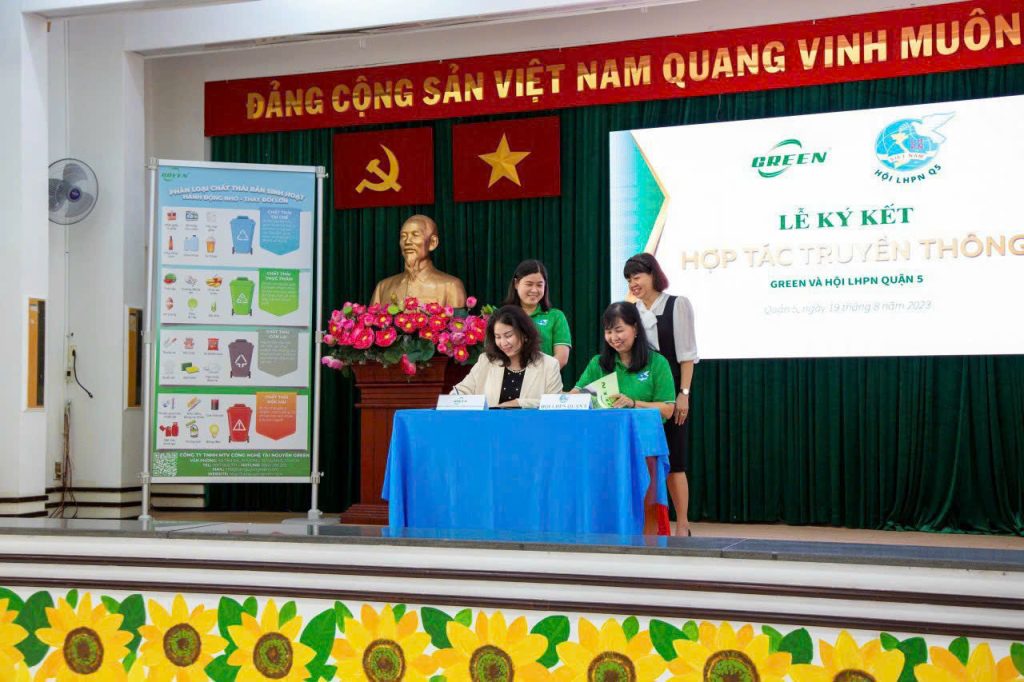
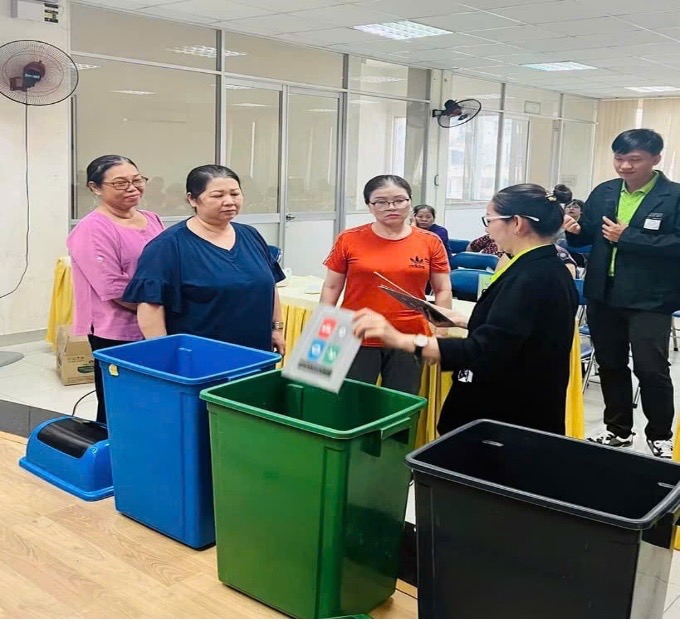
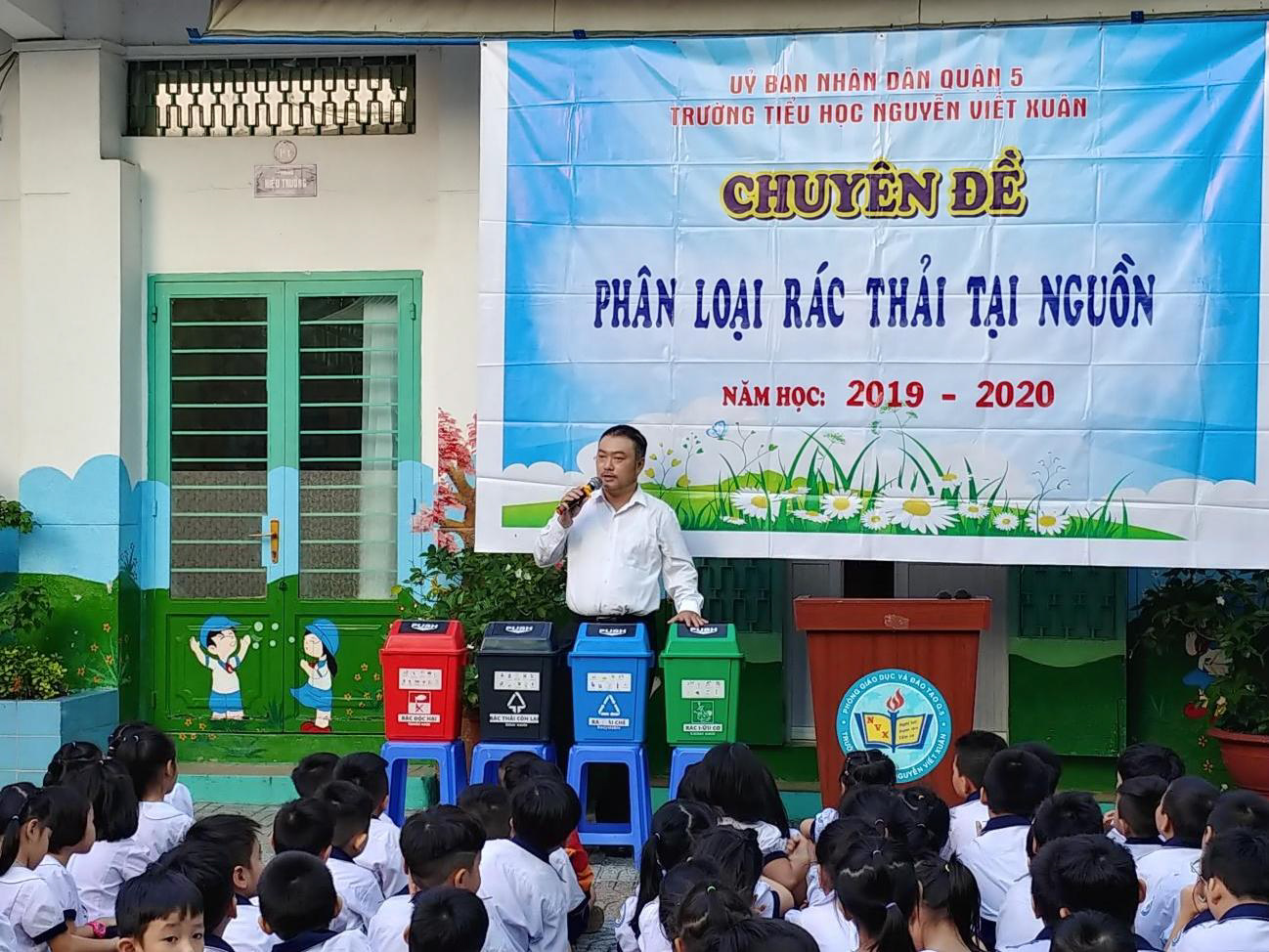
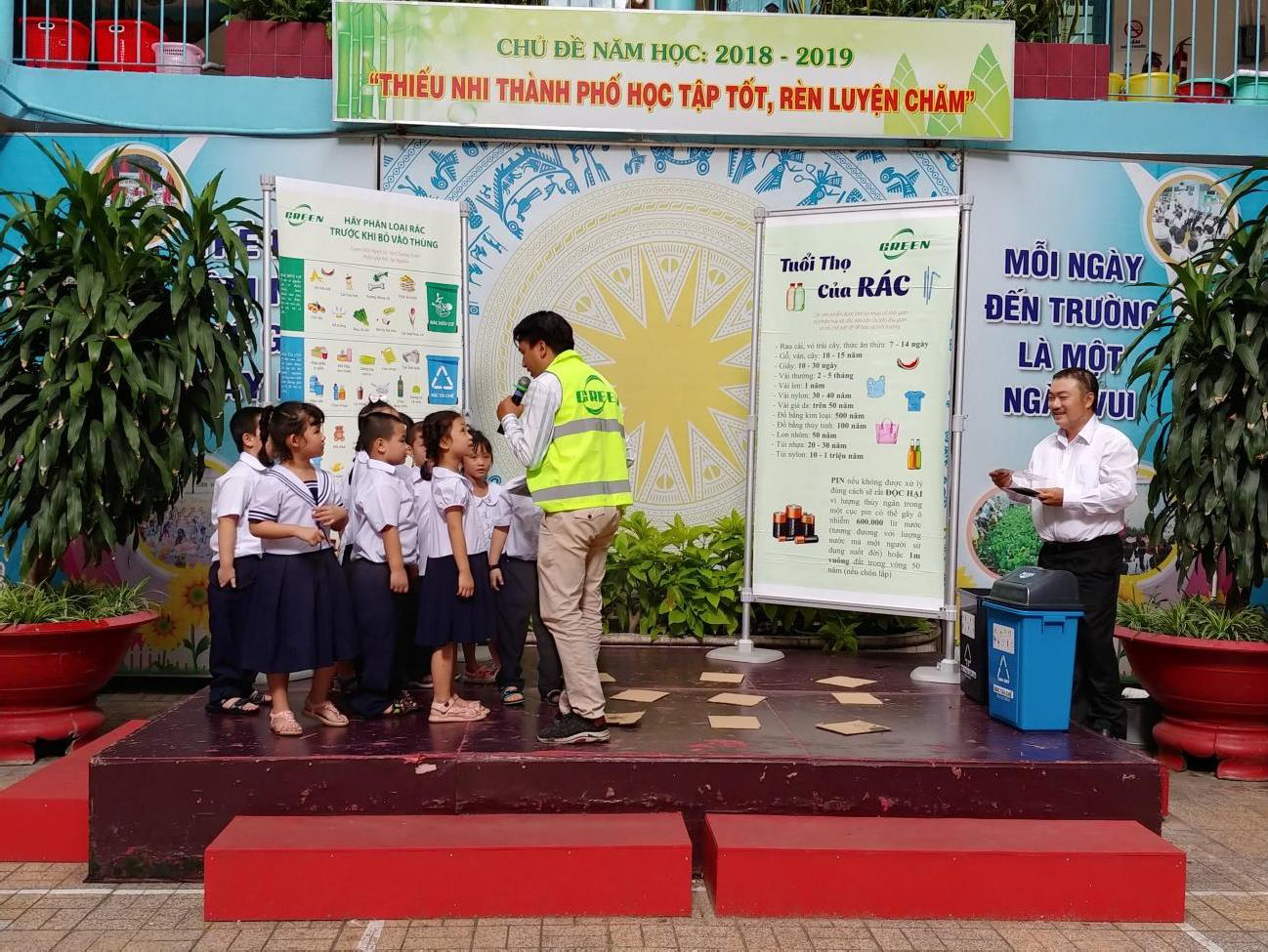
Across Vietnam, local authorities, educational institutions and community organizations are increasingly promoting waste separation through public awareness programs, infrastructure improvements and policy implementation.
For GREEN Resources Technology, participating in these initiatives has provided valuable practical insights into how environmental policies take shape at the community level and how meaningful change is created through collaboration.
These experiences have reinforced one important understanding: effective source waste separation is not merely a change in household habits—it is the first step toward a more coordinated, transparent and data-driven environmental management system.
Creating Value Through the Circular Economy
Within a circular economy, waste is no longer viewed simply as the end result of consumption.
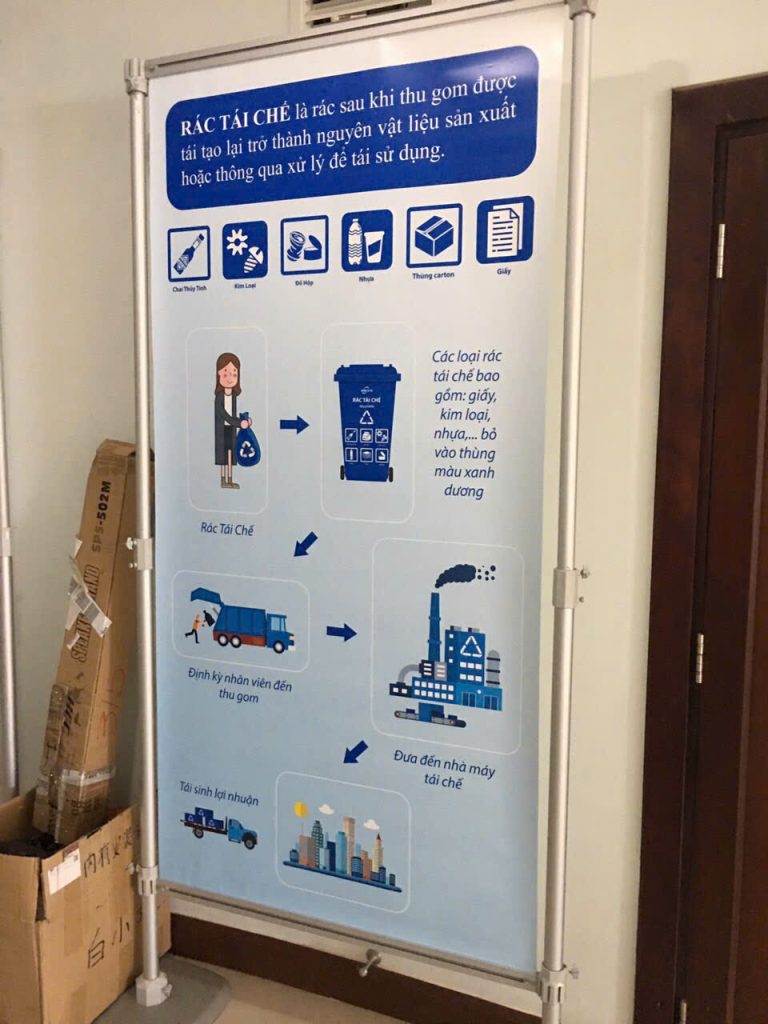
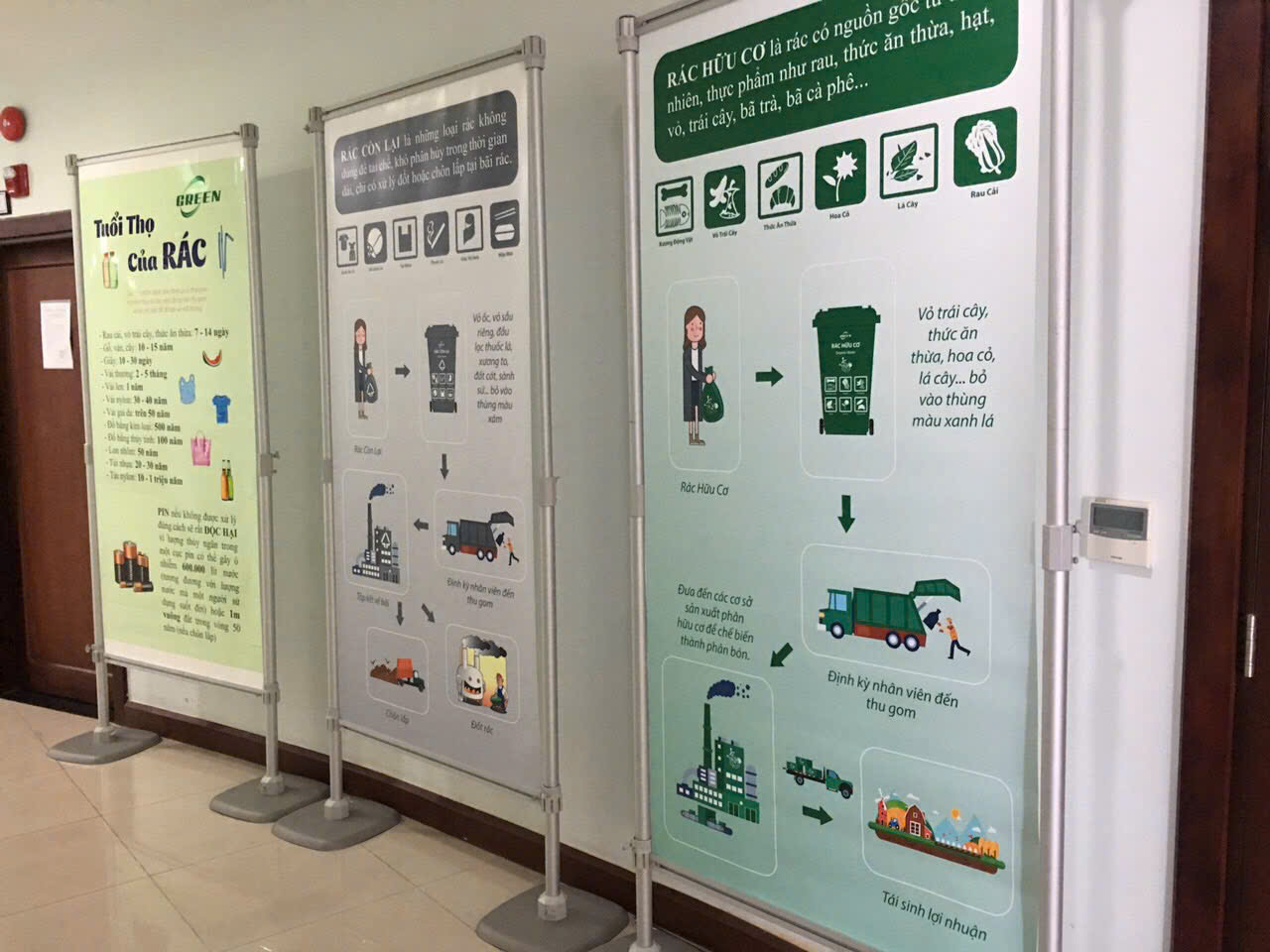
When materials are properly separated at their source, they become valuable resources that can be reused, recycled or recovered more efficiently.
This approach helps reduce landfill dependence, improve recycling performance, conserve natural resources and lower environmental impacts.
Vietnam has gradually incorporated these principles into its environmental policies, recognizing source waste separation as an essential component of sustainable development.
However, experience also shows that successful implementation requires far more than public awareness alone.
Long-term effectiveness depends on the integration of infrastructure, operational procedures, community participation and reliable management systems.
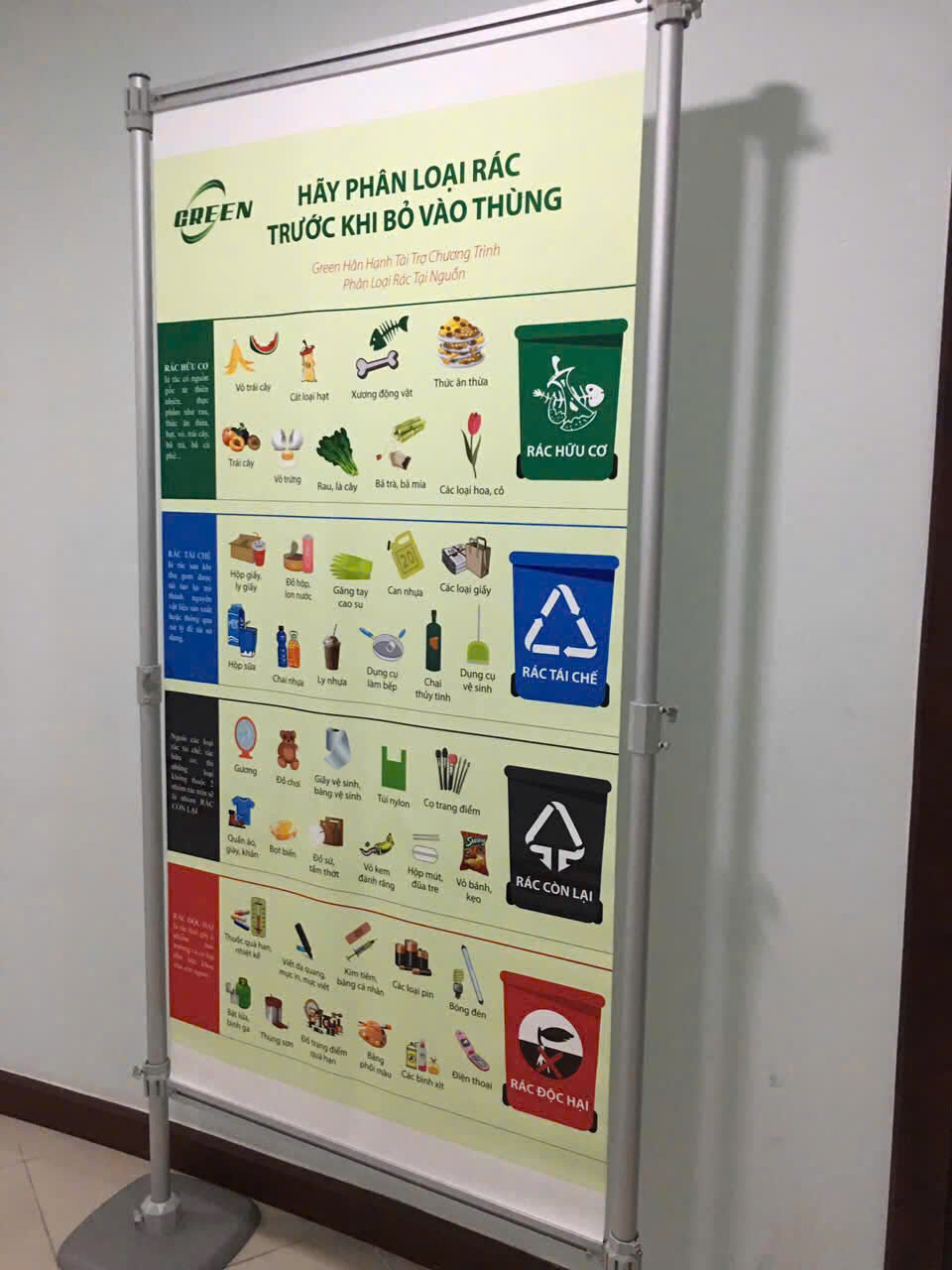
Learning from Practical Implementation
Through years of environmental communication and community engagement, GREEN has observed encouraging progress in many localities where residents actively participate in waste separation initiatives.
At the same time, practical implementation has revealed several common challenges.
Differences in collection practices, inconsistent operational procedures, fragmented information and limited performance evaluation continue to affect the overall efficiency of waste management systems.
Rather than viewing these challenges as isolated issues, GREEN considers them opportunities to improve how environmental activities are planned, coordinated and evaluated.
Every stage of the environmental management process provides valuable information that can contribute to better governance when properly connected.
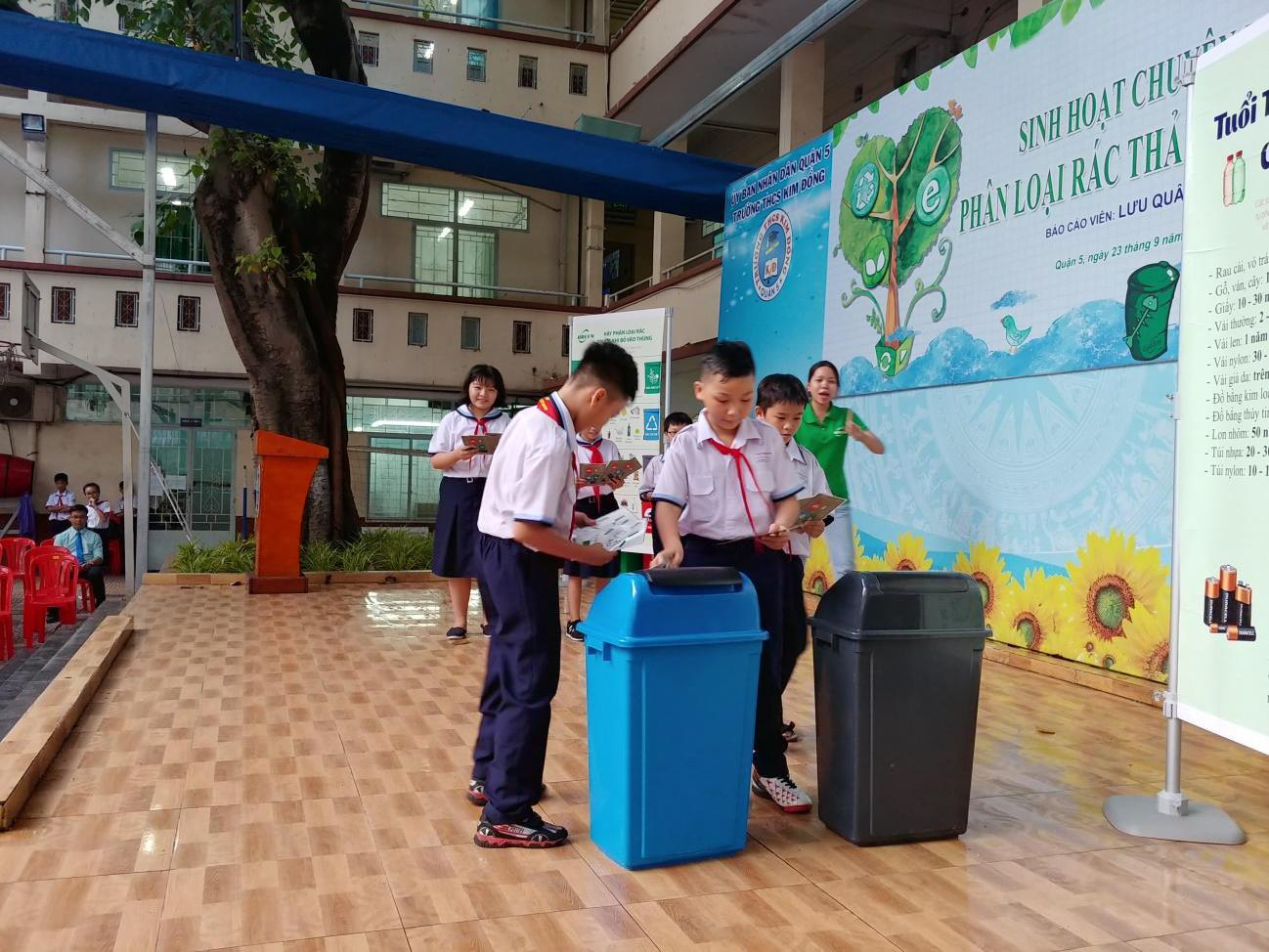
From Operational Experience to Data-Driven Thinking
One of the most valuable lessons gained through practical implementation is that every environmental activity generates meaningful information.
Collection routes, participation rates, waste volumes, communication effectiveness and operational performance all contribute to a broader understanding of how environmental systems function.
When these data are systematically collected, standardized and integrated, they provide decision-makers with a stronger foundation for planning, monitoring and continuous improvement.
This perspective has gradually shaped GREEN’s research approach, encouraging the development of governance models that combine practical experience with structured environmental data.
GEOS: Supporting Integrated Environmental Governance
The experience gained from community-based environmental initiatives has gradually shaped GREEN’s long-term research direction for GEOS (GREEN Environmental Operating System).
GEOS is being developed as an integrated environmental operating framework designed to support the organization and governance of environmental information throughout the waste management lifecycle.
Its research focuses on strengthening the connection between source waste separation, collection operations, environmental communication and data management within a coordinated digital environment.
Rather than introducing an entirely new management model, GEOS is intended to complement existing practices by improving information flow, operational coordination and data accessibility for future environmental management needs.
This research direction reflects GREEN’s belief that environmental governance can become more effective when operational activities and environmental data are connected through a coherent framework.
Supporting Vietnam’s Green Transition
Vietnam’s transition toward sustainable development is creating new opportunities to modernize environmental management.
Policies promoting digital transformation, circular economy development and municipal solid waste separation increasingly encourage the integration of technology with practical environmental solutions.
GREEN views this transformation as a long-term process that depends on collaboration among public authorities, businesses, educational institutions and local communities.
By combining practical implementation with continuous research, GREEN aims to contribute solutions that strengthen environmental governance while remaining adaptable to different local conditions.
This commitment continues to guide the company’s research, ensuring that innovation is driven by practical value and long-term sustainability rather than technology alone.
Looking Beyond Waste Separation
Source waste separation represents more than an environmental campaign.
It is the point where community participation, operational management and environmental data begin to work together.
As these elements become increasingly connected, opportunities emerge to improve planning, resource allocation, policy implementation and long-term environmental performance.
GREEN believes that future environmental management will rely not only on better infrastructure but also on stronger coordination between people, technology and information.
This broader perspective continues to influence the company’s research into integrated environmental governance and digital environmental infrastructure.
Conclusion
Source waste separation is one of the first practical steps toward building a cleaner and more sustainable society.
Its true value extends beyond waste reduction. When supported by effective communication, coordinated operations and reliable environmental data, it becomes the foundation for a more transparent, efficient and resilient environmental governance system.
Drawing upon years of practical experience, GREEN remains committed to advancing research that supports integrated environmental management, contributes to Vietnam’s green transition and encourages long-term sustainable development through responsible innovation.