From practical experience to systematic thinking
Environmental challenges are becoming increasingly complex.
Urbanisation, population growth, climate change and the transition towards a circular economy require environmental management systems that are more coordinated, transparent and adaptive than ever before.
Across many countries, environmental governance is gradually shifting from isolated operational activities towards integrated systems supported by reliable information and collaborative decision-making.
Within this broader context, GREEN has been developing GEOS (GREEN Enterprise Operating System) as a long-term research initiative inspired by practical experience, continuous learning and international best practices.
More than technology
Environmental governance is often associated with digital platforms, smart devices or software applications.
However, technology alone cannot create effective environmental management.
Successful governance depends equally on:
- clearly defined operational processes;
- reliable environmental information;
- institutional coordination;
- stakeholder participation;
- continuous improvement.
These elements form the foundation upon which digital technologies can create lasting value.
This principle has guided the conceptual development of GEOS from its earliest stages.
A governance framework rather than a standalone system
GEOS is being developed as a data-driven environmental governance framework, not as a single software application.
Its long-term objective is to support information integration across environmental activities while strengthening coordination among different stakeholders.
The framework is designed to facilitate:
- environmental data integration;
- operational coordination;
- evidence-based decision-making;
- performance monitoring;
- continuous improvement.
Rather than replacing existing environmental management systems, GEOS seeks to complement them by supporting more connected and transparent governance.
Built upon practical engagement
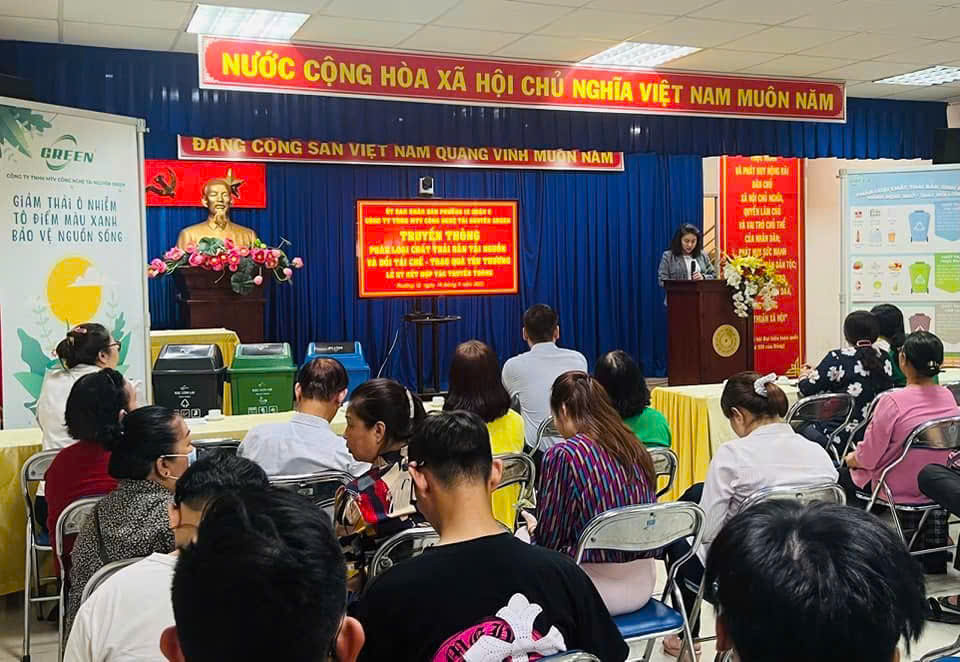
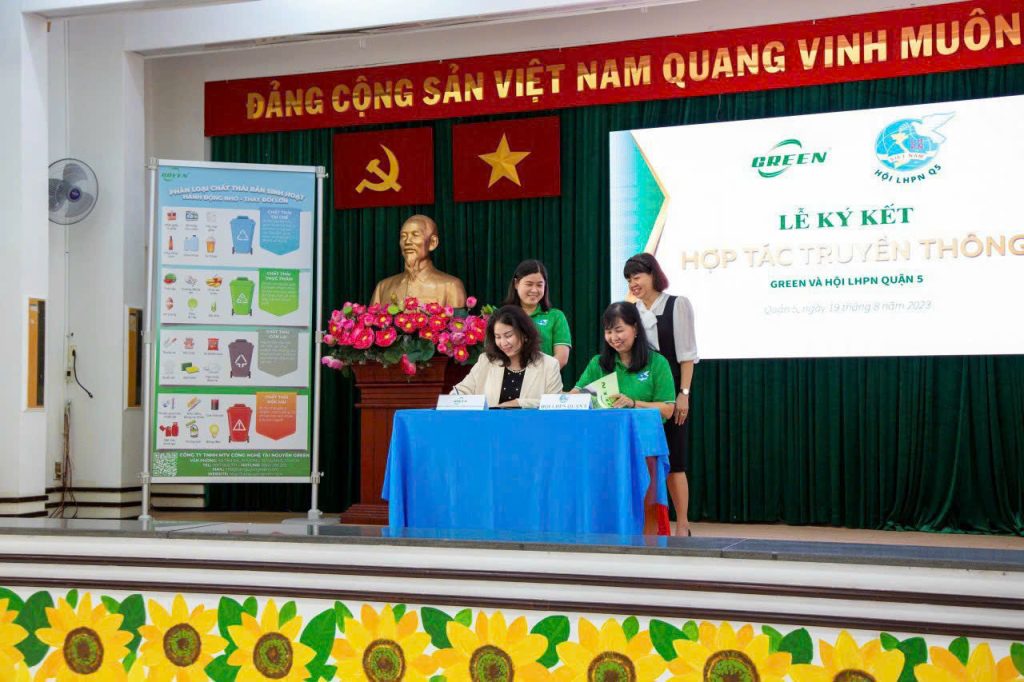
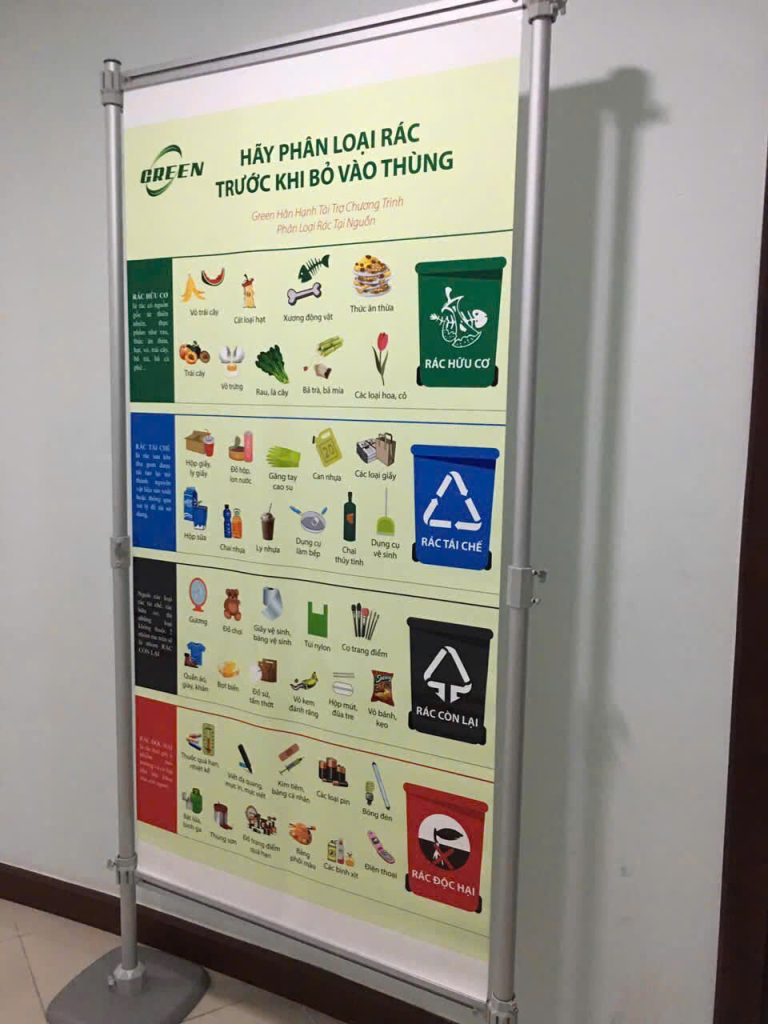
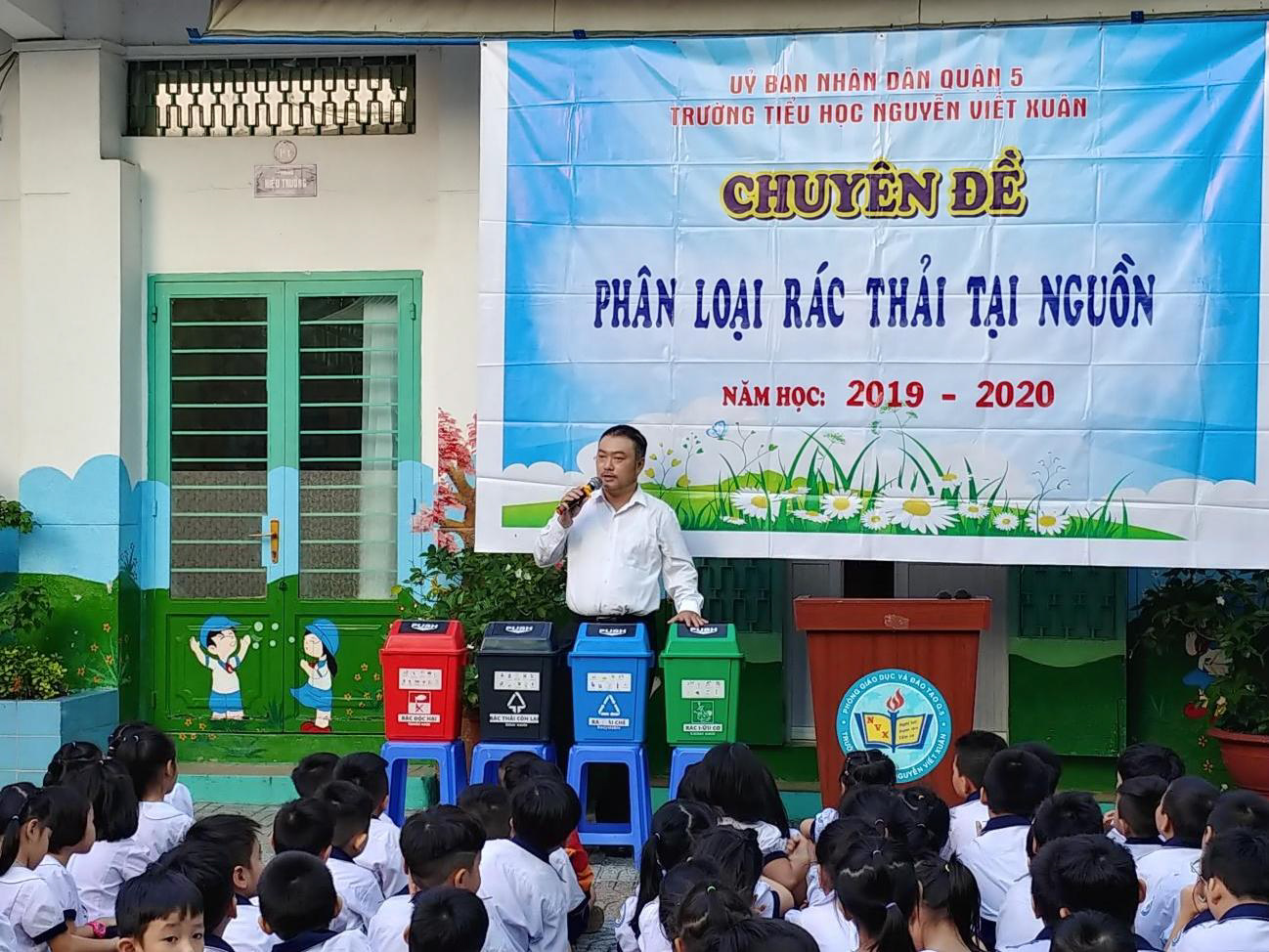
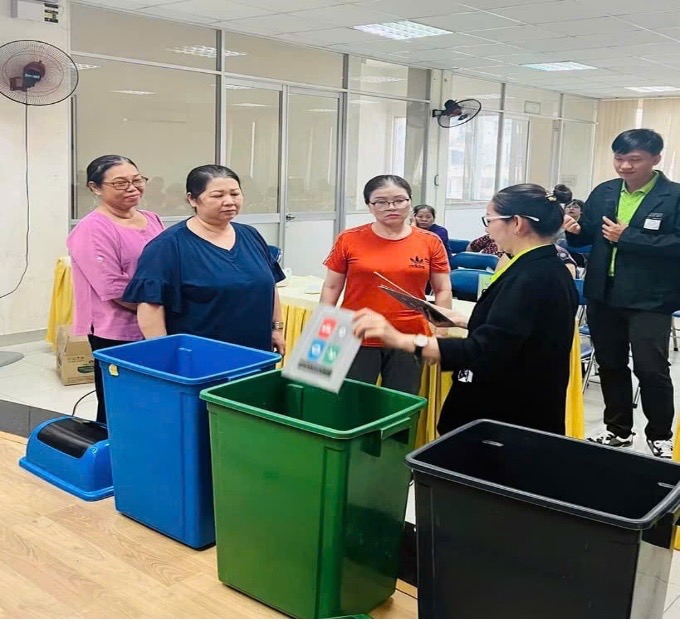
The development of GEOS has been influenced by years of practical engagement in:
- environmental communication programmes;
- source separation initiatives;
- community participation;
- collaboration with local authorities;
- environmental education activities.
These experiences highlighted the importance of connecting environmental information that is often dispersed across different organisations and operational processes.
At the same time, GREEN has continuously studied international environmental governance practices, recognising that successful systems combine policy, institutional capacity, reliable data and public participation.
Supporting Vietnam’s environmental transition
Vietnam is entering a new stage of environmental development characterised by digital transformation, innovation, circular economy strategies and stronger environmental governance.
Within this evolving landscape, integrated environmental information systems can contribute to more effective policy implementation, operational coordination and long-term planning.
GREEN believes that research initiatives such as GEOS may provide useful perspectives for supporting this broader transformation while remaining adaptable to Vietnam’s institutional and operational context.
Looking forward
Environmental governance will continue evolving alongside technological innovation.
Artificial intelligence, geographic information systems, Internet of Things technologies and integrated environmental databases will increasingly support decision-making across environmental sectors.
GREEN remains committed to continuous research, collaboration and practical learning while refining GEOS as a framework that encourages transparency, cooperation and evidence-based environmental governance.
The journey continues, driven by the belief that better environmental governance begins with better information, stronger collaboration and long-term commitment.