The Value of Environmental Data in a Digital Era
As digital transformation continues to reshape economies and public administration around the world, data has become one of the most valuable strategic resources for informed decision-making.
Within the environmental sector, this transformation is equally significant.
Environmental data is no longer viewed simply as a collection of statistics. When properly organized and interpreted, it becomes a critical asset for understanding environmental conditions, evaluating operational performance and supporting long-term planning.
For GREEN Resources Technology, this evolving role of data represents one of the key foundations for future environmental governance.
It also forms an essential part of the company’s long-term research through the development of GEOS (GREEN Environmental Operating System).
From Information to Environmental Intelligence
Every environmental activity generates valuable information.
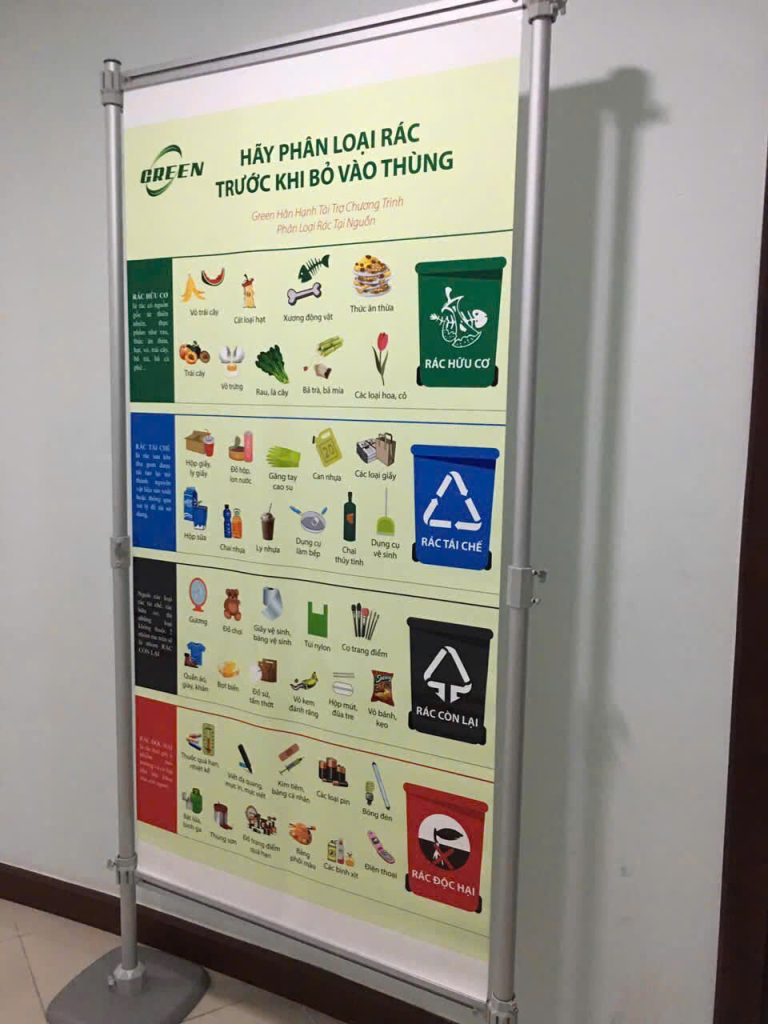
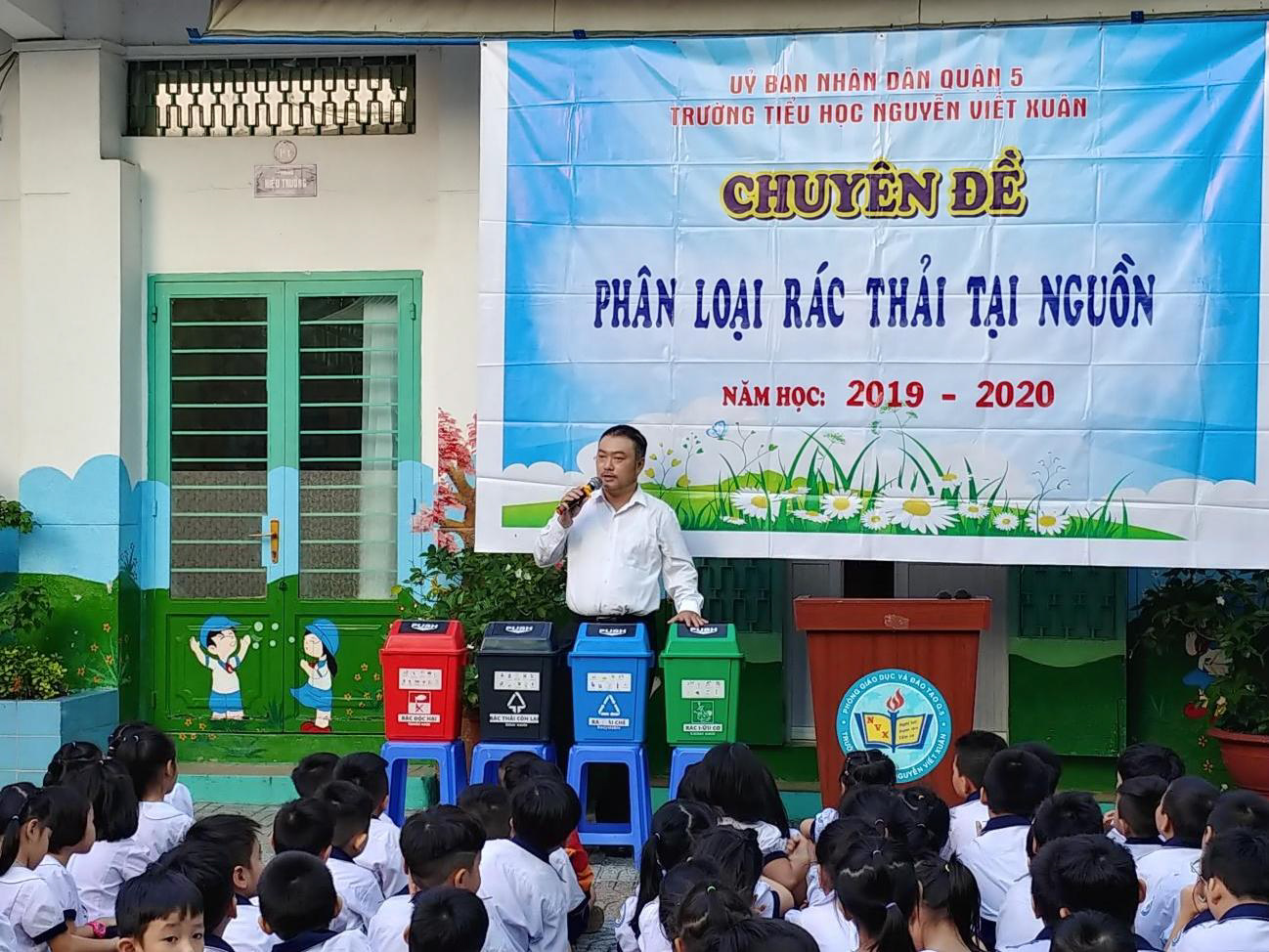
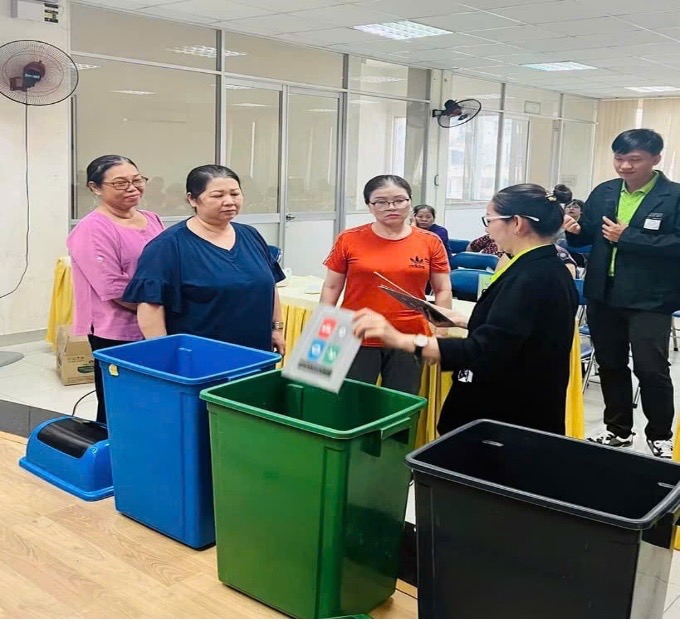
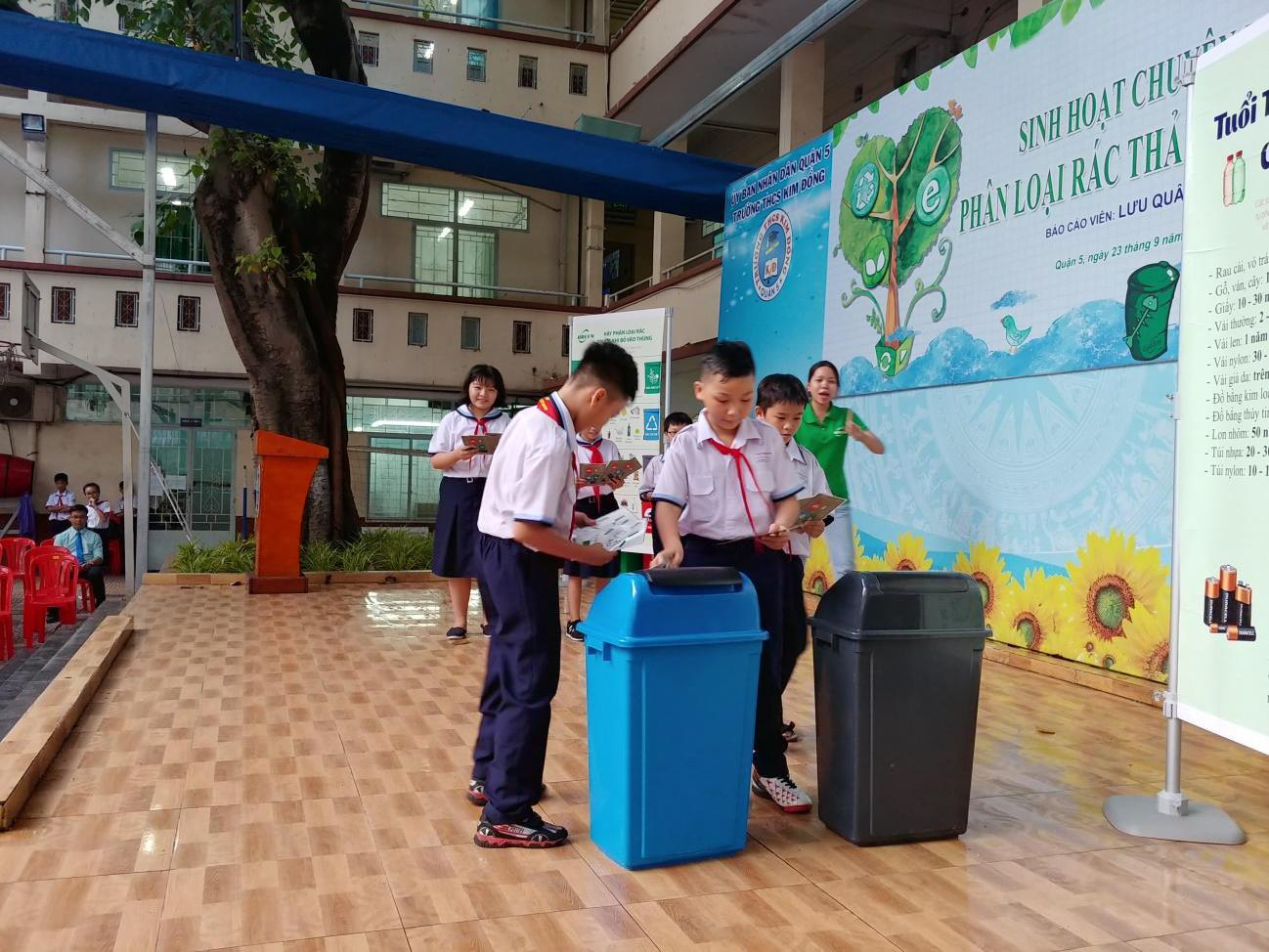
Waste separation.
Collection operations.
Infrastructure performance.
Community participation.
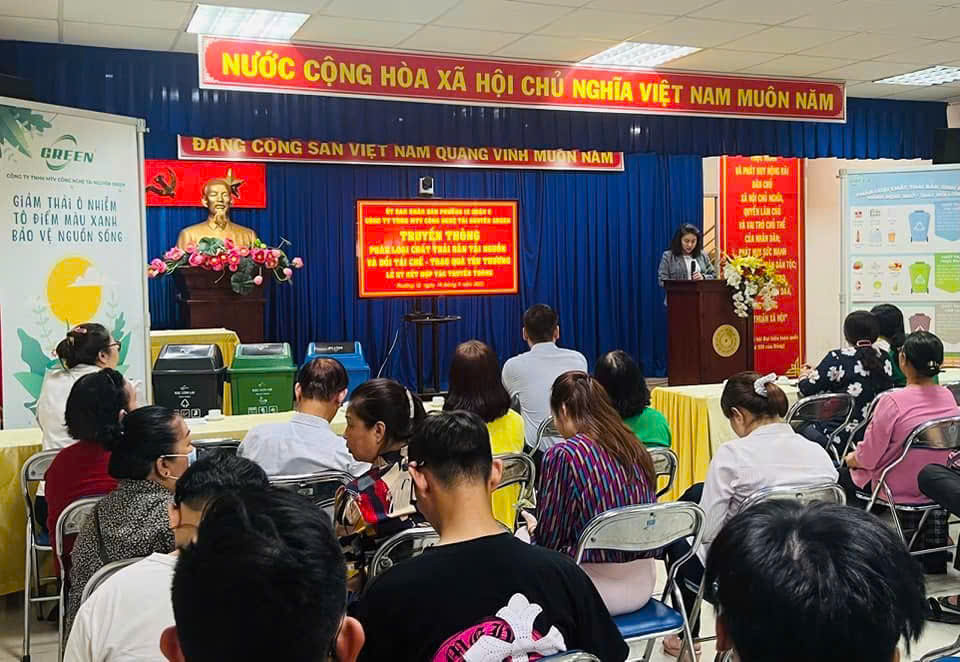
Environmental communication.
When considered individually, these activities provide operational records.
When connected systematically, they generate environmental intelligence that supports better planning, stronger coordination and more informed policy implementation.
GREEN believes that the true value of environmental data lies not in the quantity of information collected, but in its ability to create meaningful insights that improve environmental management over time.
This perspective continues to guide the company’s research into integrated environmental governance.
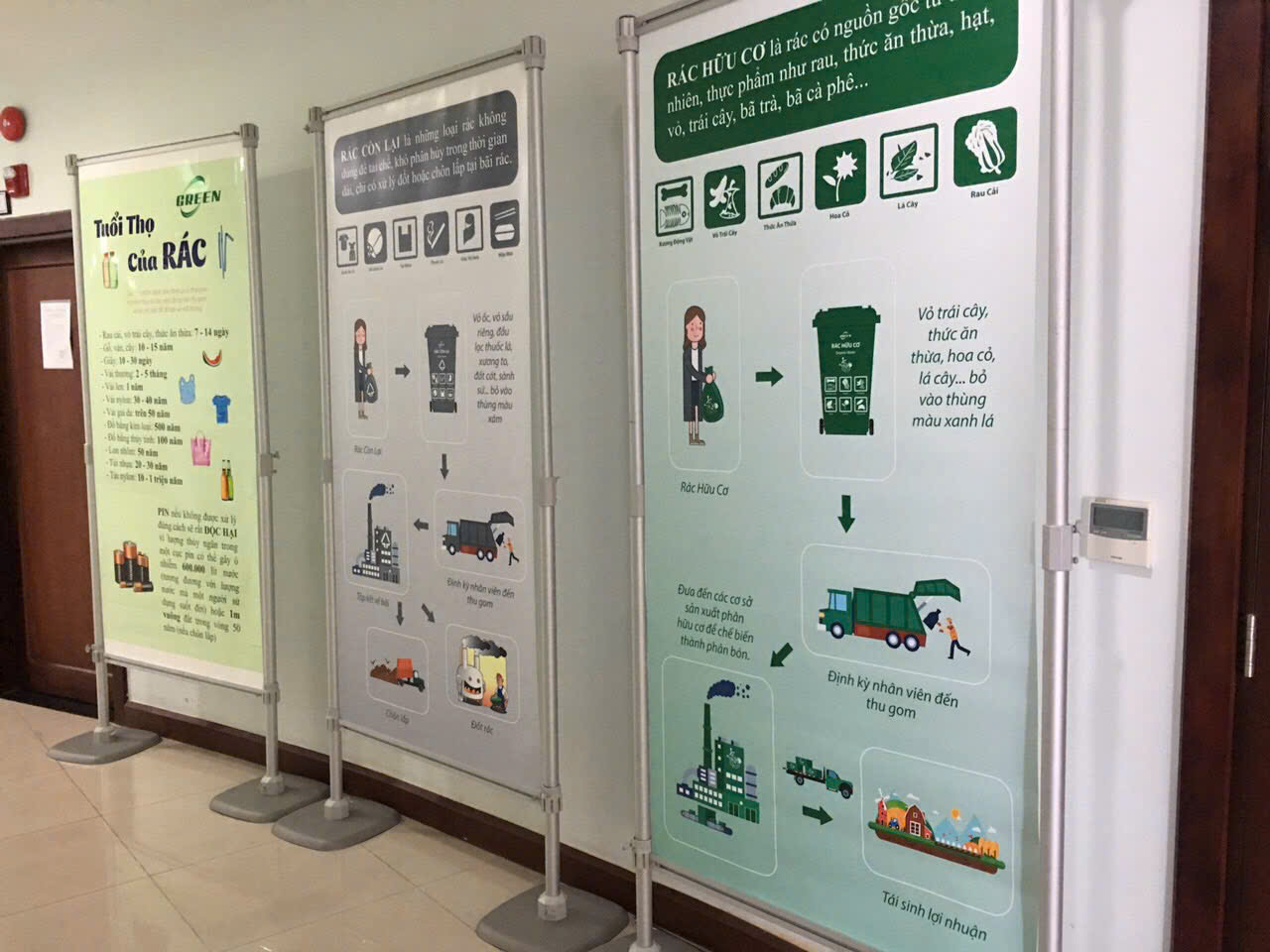
Supporting Better Environmental Decision-Making
Reliable environmental governance depends upon reliable information.
Well-organized environmental data enables public authorities, businesses and communities to better understand current conditions, identify priorities and evaluate the effectiveness of environmental initiatives.
Within waste management, information relating to source waste separation, collection efficiency, operational performance and community participation provides an increasingly important foundation for evidence-based environmental planning.
Rather than relying solely on periodic reporting, future environmental governance will benefit from information that is more connected, timely and capable of supporting continuous improvement.
This long-term perspective aligns closely with the broader digital transformation taking place across Vietnam’s environmental sector.
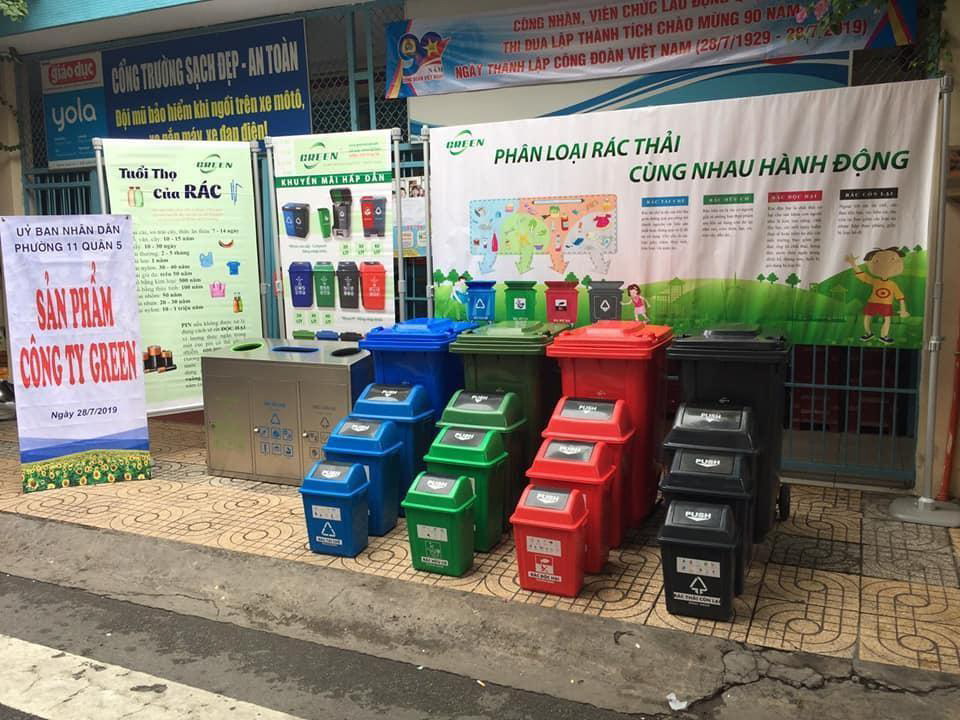
Connecting Data Across the Environmental Ecosystem
Environmental information is generated throughout every stage of the management process.
Its greatest value emerges when these individual sources are no longer viewed separately but become part of an integrated environmental ecosystem.
GREEN continues to study how environmental information can be connected across operational activities while remaining practical, transparent and adaptable to different implementation contexts.
This research supports a broader vision in which environmental data contributes not only to reporting, but also to collaboration, operational coordination and long-term environmental resilience.
GEOS: Advancing Environmental Data Governance
GREEN’s research into environmental data has progressively shaped the development of GEOS (GREEN Environmental Operating System) as an integrated framework for environmental governance.
The objective of GEOS is not simply to manage information, but to create stronger connections between environmental operations, community participation and decision-making through responsible data governance.
Its research direction focuses on supporting the organization, integration and practical application of environmental information generated across the waste management process.
Within this framework, environmental data becomes more than a reporting resource.
It becomes an operational asset that supports planning, coordination, performance evaluation and continuous improvement while remaining adaptable to future technological developments.
This long-term vision reflects GREEN’s commitment to developing practical solutions that combine environmental knowledge, digital technologies and operational experience.
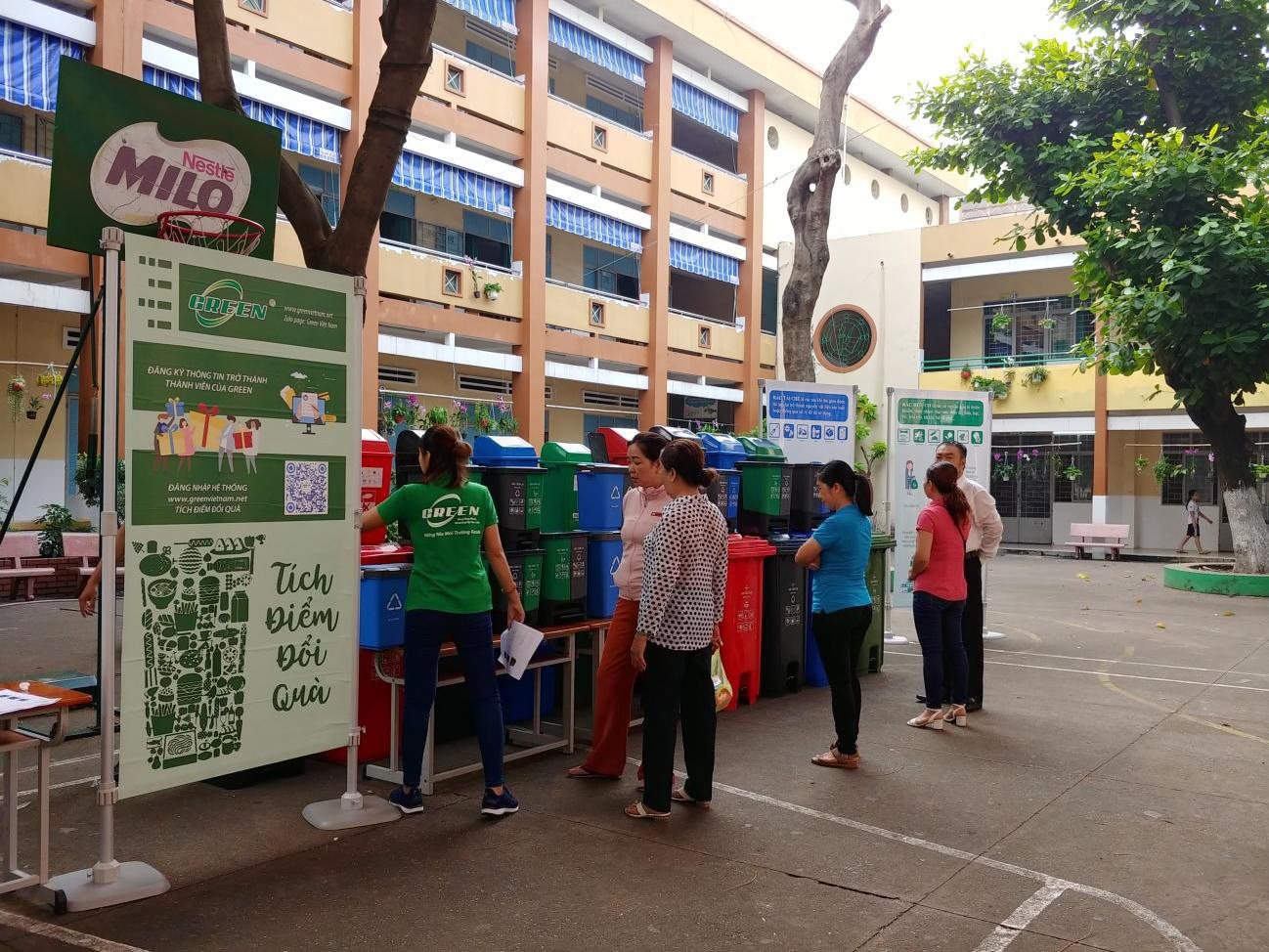
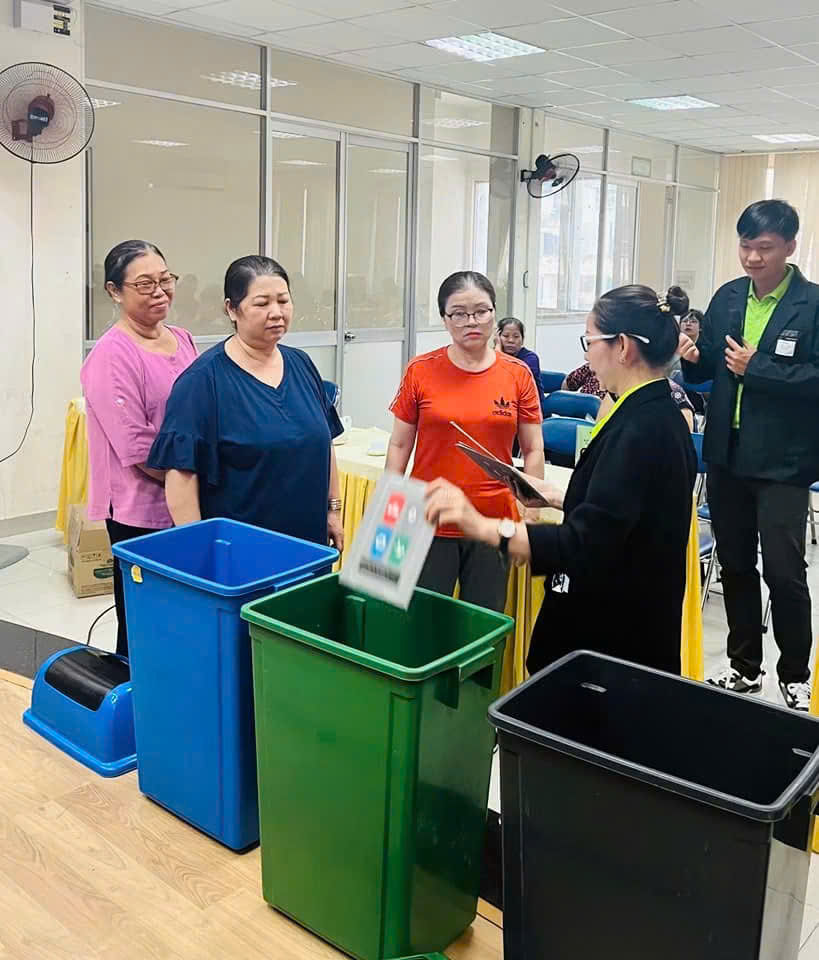
Preparing for the Future of Environmental Management
Around the world, environmental governance is increasingly influenced by digital technologies, integrated information systems and evidence-based decision-making.
Vietnam is following this direction through policies that encourage digital transformation, science and technology, innovation and sustainable development.
GREEN views these national priorities as an opportunity to continue strengthening its research in environmental data governance.
Future development will focus on:
- Enhancing environmental data integration;
- Improving operational coordination;
- Supporting smarter environmental infrastructure;
- Encouraging collaboration between public authorities, businesses and communities;
- Contributing to environmental management models that are transparent, adaptive and sustainable.
By maintaining a strong connection between research and practical implementation, GREEN seeks to ensure that future solutions remain relevant to real environmental needs.
A Long-Term Commitment to Responsible Innovation
Innovation is most valuable when it creates practical benefits for society.
GREEN believes that environmental technology should always serve broader objectives, including sustainable development, effective governance and improved quality of life.
This philosophy continues to guide every stage of the company’s research.
Whether through environmental communication, source waste separation, environmental infrastructure or data governance, each initiative contributes to a broader vision of environmental management that is collaborative, evidence-based and future-oriented.
Rather than pursuing technology as an end in itself, GREEN remains committed to developing solutions that strengthen environmental resilience through responsible innovation.
Conclusion
Environmental data is becoming one of the defining resources of modern environmental governance.
When combined with practical experience, appropriate technologies and effective collaboration, data enables environmental management to become more informed, transparent and responsive to changing conditions.
For GREEN, the development of GEOS represents an ongoing research journey founded on these principles.
As environmental challenges continue to evolve, GREEN will remain committed to advancing environmental data governance, supporting digital transformation and contributing practical solutions that promote sustainable development in Vietnam.
The future of environmental management will not be shaped by technology alone, but by how knowledge, data and people work together to create lasting environmental value.