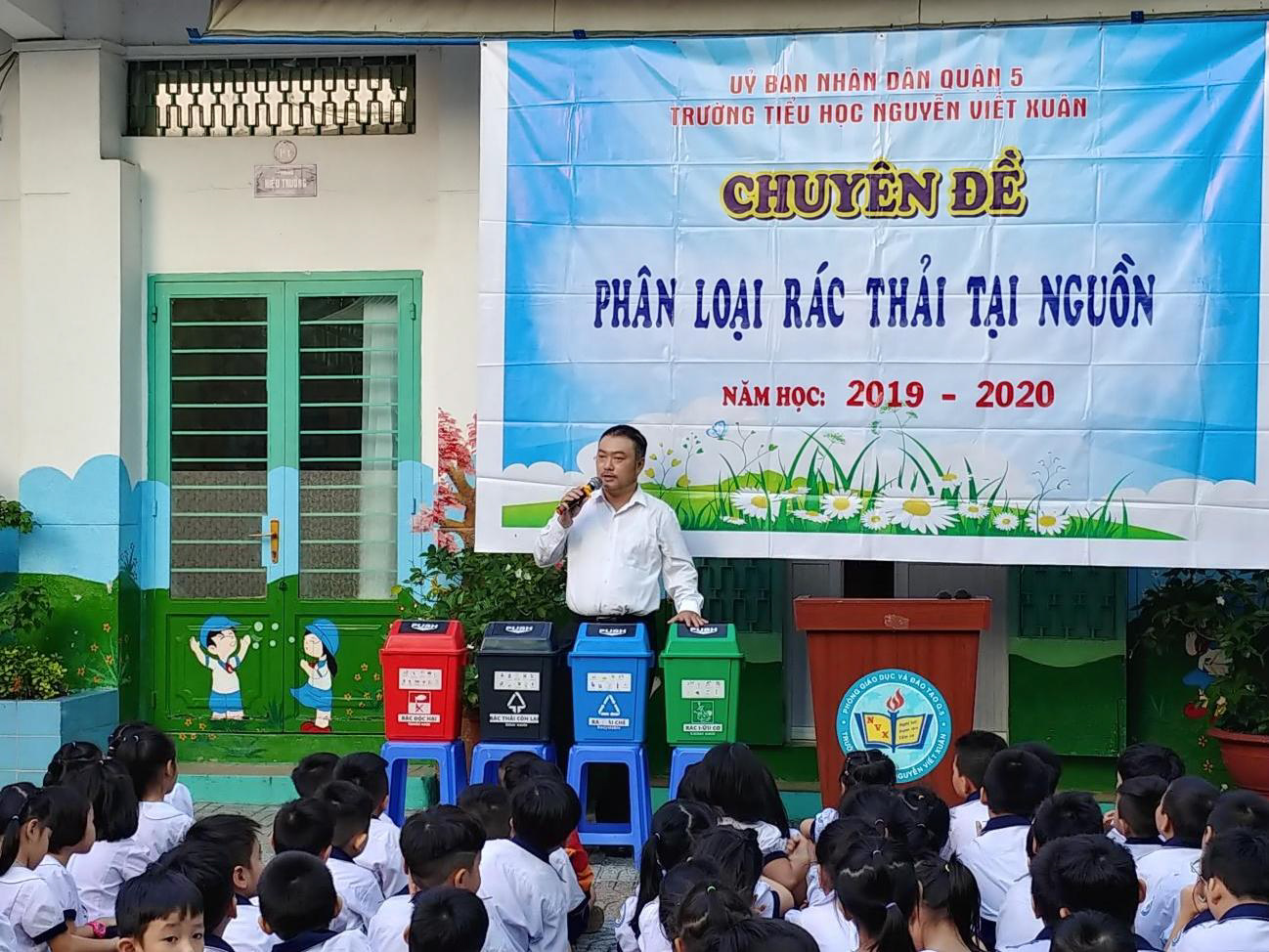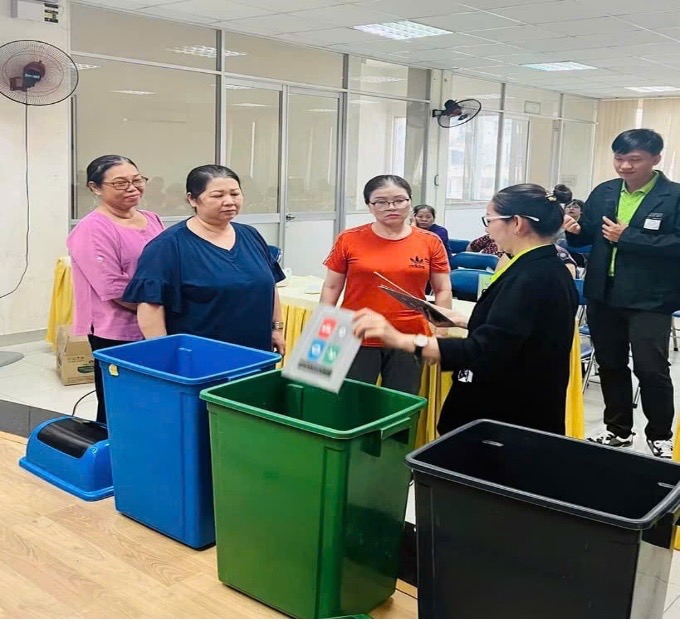
When effective outcomes are built through a governance system
Taiwan offers valuable experience in the organisation of waste separation, collection, recycling and environmental management in Asia.
Its progress demonstrates that effective waste management does not depend on a single technology or stand-alone solution. Rather, it can emerge from the combination of policy, operational organisation, data, technology and community participation.
These experiences provide useful references as Vietnam continues to advance green transformation, digital transformation and more effective environmental management.
Experiences worth considering
Through research into practical models and professional exchanges, GREEN has identified several aspects of Taiwan’s waste management experience that may offer useful reference:
- Waste separation at the source.
- Clear responsibilities among stakeholders involved in the waste management chain.
- Greater use of information and data to support operations.
- Coordinated collection and recycling activities.
- Continuous monitoring and improvement based on practical results.
This approach suggests that waste management can extend beyond collection and treatment to become a continuous governance process in which information and data support monitoring, evaluation and operational improvement.
GREEN’s opportunity for professional exchange
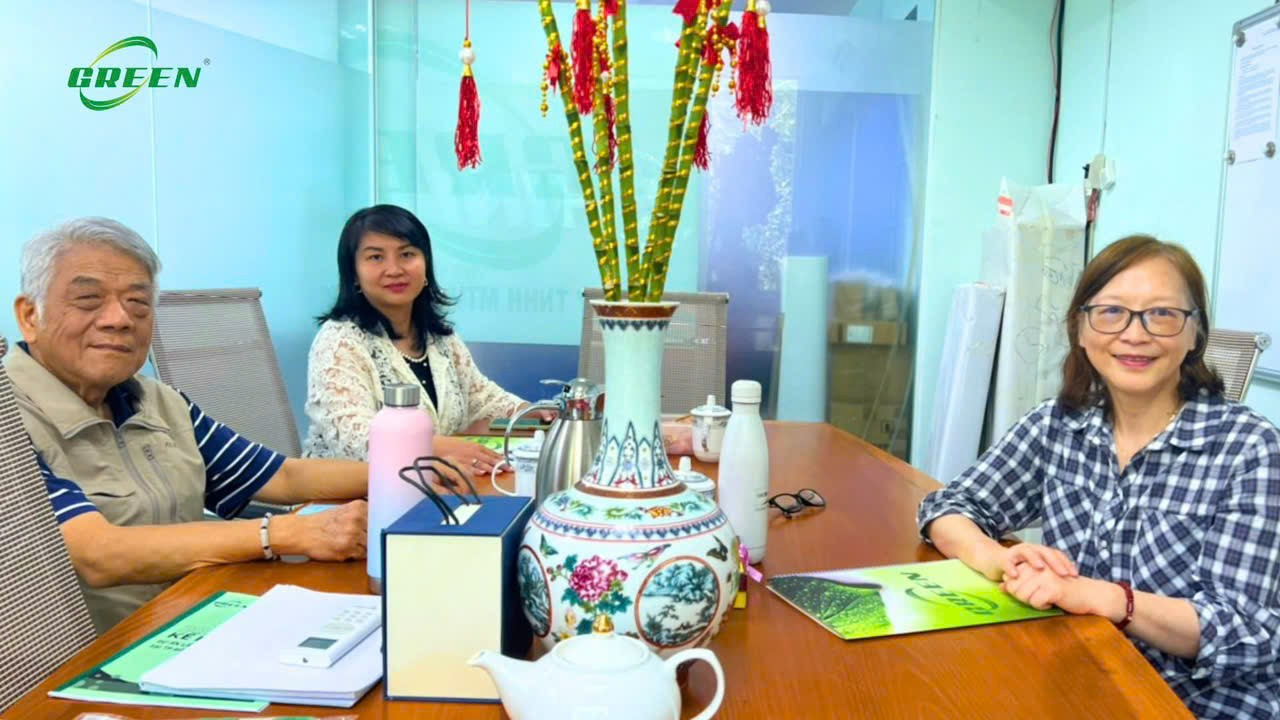
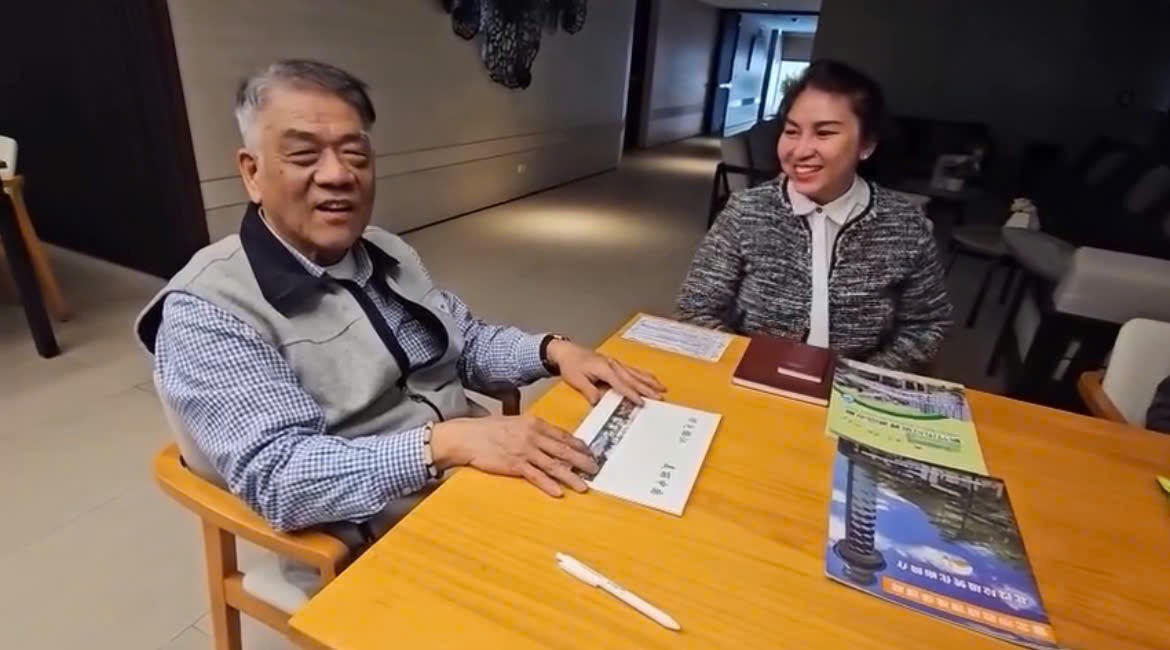
As part of its research into international environmental management practices, GREEN had the opportunity to meet and exchange professional perspectives with Associate Professor Dr. Chiu-Lung Chu, whose research experience covers air quality management, water pollution control, solid waste treatment, environmental policy and planning.
These exchanges provided GREEN with additional perspectives on waste management practices, the role of data, operational processes and coordination among stakeholders within environmental management systems.
Through this research and professional exchange, GREEN has further recognised that technology can deliver greater value when it operates within an appropriate management framework capable of connecting information, supporting coordination and providing data for evaluation and continuous improvement.
Relevance to Vietnam’s context
Vietnam is advancing digital transformation, circular economy development and the implementation of household solid waste separation at source in accordance with its legal framework.
Within this context, international experience can provide useful reference points for researching and developing solutions suited to local conditions.
Every country and locality has its own characteristics in terms of population, infrastructure, resources, organisational arrangements and management requirements. International experience, therefore, should not be understood as a model to be replicated without adaptation.
The greater value lies in identifying relevant principles and practices, then studying, testing and adapting them in accordance with Vietnam’s legal framework, practical conditions and environmental management needs.
GREEN’s approach
Drawing on practical engagement, continued research and selected international references, GREEN has gradually developed the direction for GEOS – GREEN Environmental Operating System.
GEOS is being developed as a data-driven environmental operating framework designed to support the connection of activities such as waste separation, collection, communication, monitoring, information aggregation and reporting within a coordinated system.
GEOS is not intended to replace government management functions or existing environmental management systems.
Instead, GREEN envisions GEOS as a supporting framework that can help connect information, strengthen coordination among participating stakeholders, improve data transparency and support monitoring, evaluation and decision-making within appropriate implementation contexts.
This direction has emerged from GREEN’s practical experience while selectively incorporating relevant knowledge and approaches from international environmental management practices.
International cooperation – An opportunity for shared learning and development
As green transformation and sustainable development continue to gain importance worldwide, professional exchange, knowledge sharing and international cooperation can provide valuable resources for research and innovation.
For GREEN, each professional exchange, field visit and practical model provides an opportunity to learn, compare international experience with local conditions and further refine solutions suited to Vietnam’s context.
GREEN believes that selectively combining international experience with local knowledge can contribute to the development of increasingly effective, transparent and sustainable approaches to environmental governance.
GREEN – Research grounded in practice, connected through data, driven by sustainable value.